Friday, 9 March 2012

Research - Melissa leaf essential oil for agitation

MSDS |  Wikipedia  |  Pubmed

Research into uses in clinical aromatherapy

http://www.ncbi.nlm.nih.gov/pubmed/12143909

J Clin Psychiatry. 2002 Jul;63(7):553-8.

Aromatherapy as a safe and effective treatment for the management of agitation in severe dementia: the results of a double-blind, placebo-controlled trial with Melissa.

Source

Wolfson Research Centre, Newcastle General Hospital, Institute for Ageing and Health, Newcastle upon Tyne, United Kingdom. c.g.ballard@ncl.ac.uk

http://www.ncl.ac.uk/iah/about/contact/find.htm


Advances in Psychiatric treatments


Aromatherapy is one of the fastest growing of all the complementary therapies (Burns et al, 2002). It appears to have several advantages over the pharmacological treatments widely used for dementia. It has a positive image and its use aids interaction while providing a sensory experience. It also seems to be well tolerated in comparison with neuroleptic or sedative medication. The two main essential oils used in aromatherapy for dementia are extracted from lavender and melissa balm. They also have the advantage that there are several routes of administration such as inhalation, bathing, massage and topical application in a cream. This means that the therapy can be targeted at individuals with different behaviours: inhalation may be more effective than massage for a person with restlessness, for instance. There have been some positive results from recent controlled trials which have shown significant reductions in agitation, with excellent compliance and tolerability (e.g. seeBallard et al, 2002). aromatherapy in dementia (Holmes & Ballard, 2004) 


Essentia

Research - Rosemary for Alzheimers and dementia

MSDS  |   Wikipedia  |   Pubmed

Below by Lane Simonian on Roberttisserand.com 
"Various chemicals in essential oils help prove cognitive function in healthy individuals in three ways: by increasing the binding of acetylcholine to its receptors, by inhibiting acetylcholinesterase activity (as already noted), and by lowering acetylcholinesterase levels (by inhibiting phospholipase C gamma activity). Phospholipase C gamma (and beta) activity lead to the formation of amyloid plaques and peroxynitrites -the toxin held responsible for short-term memory loss in Alzheimer’s disease. Chemicals in various essential oils (including rosemary and sage) such as methoxyphenols (eugenol, thymol, and carvacrol) and if present rosmarinic acid and ursolic acid scavenge peroxynitrites (convert them into a less dangerous form). These compounds also reverse much of the damage that peroxynitrites do to transport systems, enzymes, tau proteins, and receptors involved in short-term memory (muscarinic acetylcholine), sleep (melatonin), mood (serotonin and opioid), social recognition (oxytocin), alertness (dopamine), and smell (olfactory). They also inhibit the influx of calcium thus limiting the death of neurons and the release of glutamate thus limiting the death of surrounding cells (see the following articles: Alkam, et al. “A natural scavenger of peroxynitrites, rosmarinic acid, protects against impairment of memory induced AB 25-35″ and Irie, “Effects of eugenol on the Central Nervous System: Its possible application to treatment of Alzheimer’s disease, depression, and Parkinson’s disease.”
Alzheimer’s disease can likely be effectively treated with aromatherapy using various essential oils.

How to buy from Shirley Price

How to Buy

Therapists can email info@ShirleyPriceAromatherapy.com

or call Customer service on T:01455 615466

Dealer Locator
Find Shirley Price dealers worldwide by browsing by country and state. Target the metro area closest to you and see nearby dealers and the markets they serve. Dealer information includes street addresses, phone and fax numbers, and internet and e-mail links where available.
Buy From Dealers That Sell Online
Order our products from authorized Shirley Price online dealers. Please consult each website for specific ordering instructions and delivery conditions.  Our global partner is Amazon.  We have 100 Organic essential oils in the Amazon.co.uk warehouse.  Amazon provide FREE next day delivery to 10 EU states so this is the ideal way to order Shirlepy Price oils.
Order Products directly from ShirleyPrice.co.uk. Stay on track and organized with our entire line of aromatherapy product and training courses.
Buy From ShirleyPrice.co.uk
We have the products that a dealer might not stock. Come on in and check out what we have to offer.

Retail Pricelist
http://www.shirleypriceessentia.com/files/Season_2012RetailPricelist.pdf

Thursday, 8 March 2012

Basil - Ocimum basilicum - Lamiaceae

 
MSDS  |  Wikipedia  |  Pubmed
Basil is easily cultivated growing from seed in about 2 weeks in springtime and preferring a sandy soil and full sun.  The palatable leaves are used in salads to improve digestion. The oil is steam distilled from the leaves and flowering tops.  Linalool is an important component of the oil.  Cautions: sensitive skin, pregnacy.  A Basil essential oil consisting of mainly methyl chavicol (estragole) is available and should be used with great caution.  The Basil ct Linalool oil makes an excellent nerve tonic so Basil is one of the most useful essential oils to clear the head and restore strength and clarity to the mind. Its relative toxicity compared to other oils [LD50 g/kg of 1.4 (oral) 0.5 (dermal)] means its use in massage and compresses should be restricted to trained aromatherapists to ensure there is no possibility of overdose.  If we have a massage oil of 30ml then at 1% essential oil even if only Basil essential oil were used thats roughly 0.3g for a 60-80kg adult so within a hundredfold margin of safety.  So therapists should not hesitate to make use of Basil.  There are no such restrictions on the inhalation of Basil at all and all can enjoy its benefits.   Essentia


Wednesday, 7 March 2012

Plant families

You can get a long way in your aromatherapy learning by remembering these plants belong to just two of the most highly advanced plant families

LAMIACEAE (LABIATAE)
Lavender Lavandula angustifolia Mill. flowers
Clary sage Salvia sclarea L. herb
Marjoram Origanum majorana L. herb
Rosemary Rosmarinus officinalis L. herb
Peppermint Mentha x piperita L. herb
Basil Ocimum basilicum L. herb
Melissa Melissa officinalis herb
Thyme Thymus vulgaris ct thymol herb
Patchouli Pogostemon cablin Benth. leaves
RUTACEAE
Orange, bitter Citrus aurantium L. fruit
Bergamot Citrus bergamia Risso. fruit
Lemon Citrus limon (L.) Burm. fruit

Other plant families
Asteraceae
What is the important medical property of the Asteraceae, associated with a constituent produced in the distillation process rather than present in the plant...anti-in........ This is a plant associated with what energy, yin or yang in chinese medicine and with which planetary body in folklore? why is anti-in.......... important as a medical property?

Myrtaceae
Which important plant family was unknown until the discovery of australia?

Geraniaceae
Piperaceae

Rosaceae
By contrast with what plant family have we had an important relationship with for 40 million years?

Oleaceae
Which member is best left to enjoy at home?
Annonaceae

Santalaceae
Which wood is burned on honeymoon by middle eastern brides to relax their husbands?

Burseraceae
Styraceae
Zingiberaceae

Which member of the Zingiberaceae is useful in hospital setting for relieving nausea so getting and keeping the medication down and for digestion generally?

Poaceae
Pinaceae
Cupressaceae

Just saying....the science apart so many human needs are ticked by having a good understanding of our place in the environment, physiological (plants respiration, water us, warm, clothe, feed and heal us), safety, acceptance, esteem, cognitive, aesthetic all the way upto the scary heights of self actualisation - the drive for self improvement, personal growth and potential for change (Maslow). If meeting human needs is placebo then lets have more of it. It does seem amazing that more is not made of the potential of the lamiaceae and rutaceae and lets hope the drive to integrate doesnt result in concentration on the headline ingredients and approval of nature identical oils over the farm fresh whole oils and the loss of massage because then we lose something very precious in terms of their effect on the individual psyche and safety. Still its results that matter not doctrine on both sides of the debate. On the training its fortunate so many health professionals in the UK trained with Shirley Price Aromatherapy, Patricia Davis etc and in the US so many have trained with Buckle Associates. Some common training experience and practice allows standards to emerge while preserving innovation and diversity of thought and approach as those alumni practice, author and found their own colleges. This is one of the alternative approaches strengths.

Essentia

Tuesday, 6 March 2012

Psychopharmacology - Melissa

FACTS ON DEMENTIA
http://www.alzheimers.org.uk/site/scripts/documents.php?categoryID=200137
AROMATHERAPY FOR DEMENTIA
http://alzheimers.org.uk/site/scripts/documents_info.php?documentID=306&pageNumber=2


Research

http://www.ncbi.nlm.nih.gov/pubmed/17168769

Essentia

Psychopharmacology - Rosemary for remembrance

                                                           Mark Moss, Researcher, Northumbria University

http://roberttisserand.com/2012/03/rosemary-boosts-brain-power/

http://www.aromamedix.com/Rosemary.pdf

More

A new study finds the scent of the rosemary can boost brain power, perhaps because the smell also produces a sense of calm. In a study, researchers found the herb contains a specific compound that when inhaled enters the blood stream and improves cognitive performance.
According to results of a new study, published in the journal Therapeutic Advances in Psychopharmacology, compounds in rosemary called terpenes can enter the bloodstream through the mucous membranes of the nose and lungs.
In a first study the researchers were able to show a terpene compound in rosemary called 1,8-cineole is also related to cognitive performance, but not alertness and attention.


Terpenes also easily cross the blood brain barrier, which is how the scent of rosemary affects brain chemistry.
Rosemary, eucalyptus, wormwood and sage have all been studied for their effect on the brain and nervous system.
Researchers believe terpenes in the aromatic plants inhibit the breakdown of the neurotransmitter acetylcholine in the brain.
Twenty subjects were used in the experiment. Researchers Mark Moss and Lorraine Oliver, working at the Brain, Performance and Nutrition Research Centre at Northumbria University, UK tested blood levels of 1,8-cineole in participants exposed to varying amounts of the oils in rosemary to see how much they had absorbed. The researchers performed speed and accuracy tests, and mood assessments, to judge rosemary oil's affects.
"Only contentedness possessed a significant relationship with 1,8-cineole levels, and interestingly to some of the cognitive performance outcomes, leading to the intriguing proposal that positive mood can improve performance whereas aroused mood cannot," said Moss.
Though rosemary has been used for medicinal purposes since ancient times, researchers haven’t been certain how the herb works in the body.
The new study shows a terpene, the main constituent of rosemary oil can boost brain power. According to the authors rosemary boosts levels of 1,8-cineole in the bloodstream, leading to improved cognition.
Therapeutic Advances in Psychopharmacology
“Plasma 1,8-cineole correlates with cognitive performance following exposure to rosemary essential oil aroma”
Mark Moss

Wednesday, 29 February 2012

Robert Tisserand weekend seminar - Imperial College London May 12,13

Share and Book a ticket - see also our other courses on our box office
Don’t miss this Robert Tisserand experience...
Join with us for a special Robert Tisserand event, and pick up the very latest in-depth knowledge and inspiration from the master himself at his May 2012 UK seminar.  Make this seminar the centrepiece of your 2012 CPD and join our distinguished attendees.
 As all professional aromatherapists will know, Robert Tisserand is regarded as one of the world’s leading experts on the many benefits of aroma and aromatherapy. I am delighted to be able to host the Robert Tisserand 2 day Weekend Seminar being held at Imperial College, London on May 12 and 13 this year.
Robert spends a great deal of time tracking all the published research relevant to essential oils and regularly collaborates on international projects with doctors, herbalists and pharmacologists. He is also familiar with the foundations of oriental medicine, and Western herbal and naturopathic traditions with their emphasis on cleansing, protecting, strengthening immune function and aiding natural healing processes. 
Tickets are selling quickly, so please log onto the booking link on www.PureAromatherapy.com for more details about the seminar itself and how you can join with your fellow professionals.
Hope to see you there.  See you also at our many 2012 spring and summer aromatherapy exhibitions and events.
Ian Brealey – CEO, Shirley Price Aromatherapy Ltd.
Ian.brealey@shirleypricearomatherapy.com

Monday, 27 February 2012

Clinical Aromatherapy - essential oils as medicines

Links I am looking at today
James Geiger MD
http://vimeo.com/33176990
this is an hourlong webinar on essential oils and their use in clinical aromatherapy. I found the review of the recent research very helpful in communications with health professionals. The medical terminology of 60 years ago used by Valnet is intelligible to therapists. However today the medical jargon and understanding of cellular level chemistry required to discuss the international scientific validation of aromatherapy treatments is not usually accessible to non scientists and non health professionals. This webinar sets it out in a very straightforward and well organised way.


Medical Aromatherapy by James Geiger MD, the oilMD from James Geiger on Vimeo.

http://roberttisserand.com/2012/02/essential-oils-as-medicines/

http://www.amazon.co.uk/Self-Instruction-Mental-Health-Nursing-Ironbar/dp/0702013277/ref=sr_1_1?ie=UTF8&qid=1330468929&sr=8-1

https://ylc.wg-group.com/?id=3F9C743A926A206180656E6EEE8648911AFDA7DF

More useful links
http://www.christie.nhs.uk/the-foundation-trust/treatments-and-clinical-services/clinical-services/complementary-therapy-services/workshops-and-training.aspx

reflexology research links

http://www.itecworld.co.uk/Syllabus/Unit%20Documents/Aromatherapy%20Syllabus.pdf

http://www.bbc.co.uk/iplayer/episode/b01dbbnv/Countryfile_04_03_2012/
Available for the next few days, a piece on the work of the Soil Association but the whole program is great.

Useful articles on this blog
http://thepowerof4-paula.blogspot.com/

Essentia

Essential oils and romance - Recipe for Romance

Massage oil base 50ml

Ginger 8 drops

Myrhh 5 drops

Jasmine 2 drops

Cardamon 1 drop

There are many recipes and of course you can find your own.  This recipe is by Kathi Keville.  Kathi Keville's classes.

For all their bravado overworked men can be nervous in the bedroom.  Did you know middle eastern brides traditionally burn sandalwood on their honeymoons to relax their husbands?  Romance is important and the research that follows shows why.  Particular couples are prone to divorce.  Divorce is a major cause of stress.

Essentia

Can essential oils help couples stay together?

Scientists have identified that genetic factors can predispose couples to divorce.  We all know a friend who despite every outward cause for happiness is miserable in their relationships.  Divorce is one of the biggest stress factors in modern life.  Divorce is now increasingly common.  The research follows.

Essentia


Hasse Walum


Scientists have identified a female 'divorce gene' that can identify which women will struggle to commit or have happy relationships.

The Daily Mail reports that Swedish researchers examined the DNA of more than 1,800 women and their patterns. Each couple had been together for more than five years, and were either married or living together.

They found that women who carried a variation of the oxytocin receptor gene, described as A-allele, were 50 per cent more likely to report 'martial crisis or threat of divorce'.

Oxytocin, also known as the 'love hormone' promotes feelings of love and affection. It is produced naturally, but especially during childbirth and breastfeeding to help mothers bond with their babies.

But if women can't process oxytocin properly, this could affect their ability to bond with others - including their partners.

Women who inherit this gene are less likely to get married in the first place, but if they do, there's a greater chance that their marriage won't last. 

Lead researcher Hasse Walum from Stockholm's Karolinska Institute said, "We've found evidence that oxytocin can be involved in the regulation of human pair-bonding by showing that variation in the oxytocin receptor gene is linked to how strongly women bond to a partner."

The same team identified the male version of the divorce gene several years ago. Instead of oxytocin, it affects the chemical vasopressin, which influences men's ability to commit and stay faithful.


Press release  
http://ki.se/ki/jsp/polopoly.jsp?l=en&d=130&a=60139&newsdep=130

Sunday, 26 February 2012

International Fragrance Association News


At the beginning of February IFRA hosted an exhibition in the European Parliament in Brussels, Belgium.

The exhibition, titled ‘A Sense of Europe’ was designed to show members of the European Parliament the role that fragrance plays in Europe’s cultural, artistic, historic and economic heritage.

The exhibition captured key moments in Europe’s post-war history and illustrated them through a series of moments in time, olfactory sculptures and popular perfumes of the day.


http://www.ifraorg.org/en-us/a_sense_of_Europe_expo

Essentia

Monday, 20 February 2012

Shirley Price Aromatherapy - February newsletter


Shirley Price Aromatherapy Ltd

Certified Organic manufacturer and Handler since 1974.
T: 01455 615466 ww.ShirleyPrice.co.uk
Our great distributors in 40 countries worldwide are on http://www.shirleypricearomatherapy.com/


In this issue
The Beautiful World of Aromatherapy - Signs of Spring
Essential oil safety notes


Aromatherapy College  - whats new this month


Venue Imperial College London
Advanced - The Robert Tisserand Weekend Seminar May 12,13
Introductory - Essential Oil Science and Appreciation


Venue Hinckley
Shirley Price Aromatherapy Diploma with Jan Benham and Sue Jenkins
Workshops


Aromatherapy Products - whats new this month


The beautiful world of aromatherapy - signs of spring
Spring is nearly here.  The iris, snowdrop and daffodil bulbs are out so the magical time of spring is not far away. I most look forward to the roses coming into bloom and the arrival of the Rose Otto later in the summer.  Did you know that the Rose is one of man's most constant companions?  The plant evolved over 40 million years ago and unlike Eucalyptus and Tea tree and some of the Citrus mankind has known the Rose since the earliest times.  In fact they were so popular in ancient china that the Emperors had to limit the cultivation of Rose Gardens so enough food would be grown!!


Essential Oil Safety  
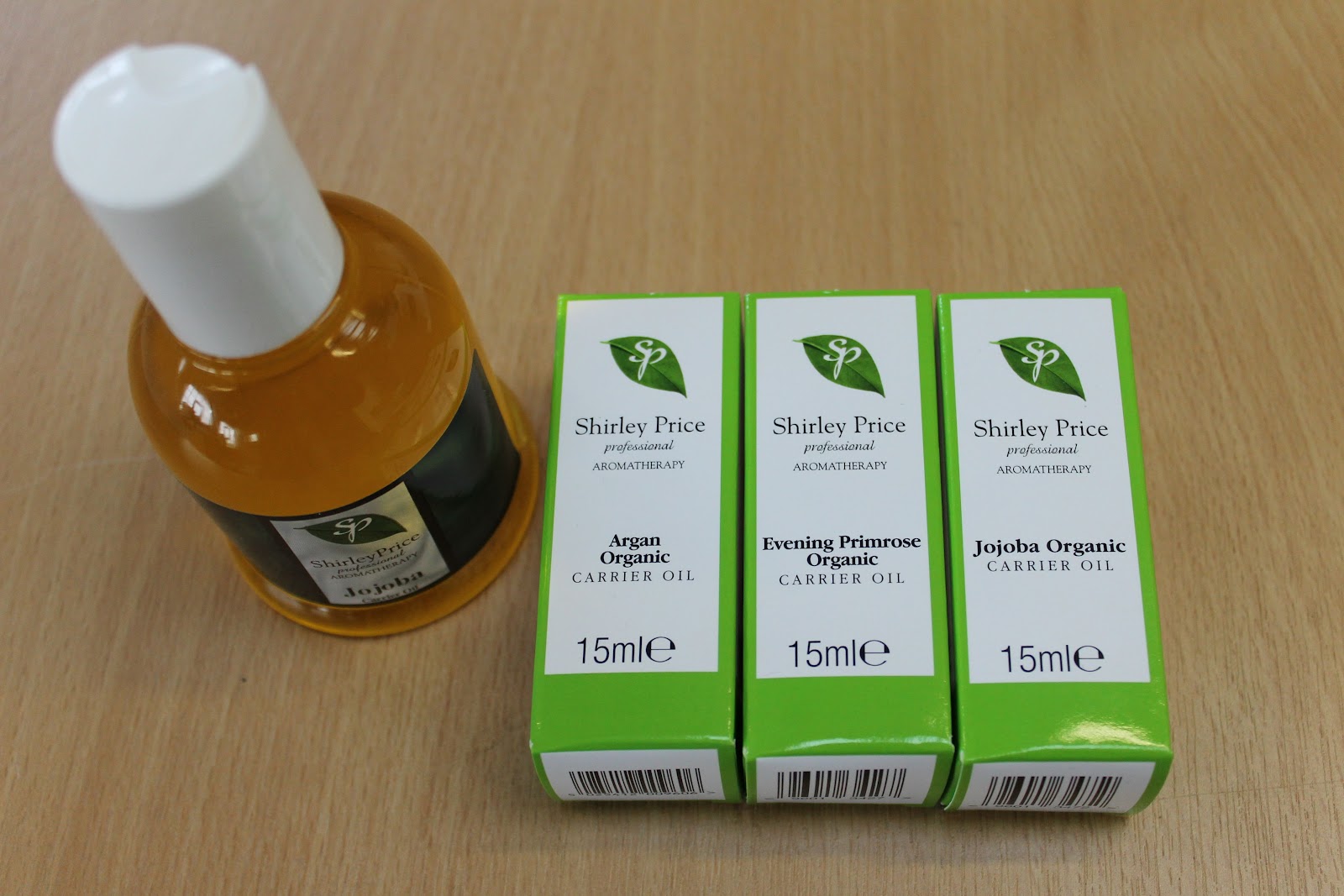
I dont expect everyone to agree with me but I cant get my head around advocating the use of essential oils around children. Toys with essential oils are a step too far.  A vegetable oil like Jojoba on the nappy area and a drop of lavender at bathtime but nothing more. Safety has to be the first consideration. That said no one would deny a worried parent or a distraught child relief for example from whooping cough symptoms through a treatment by an experienced and qualified aromatherapist. The great value of essential oils compared to herbal treatments is their effect on the mind through mood and emotion.  Just 20 molecules are enough to stimulate the limbic brain.  The nose is that sensitive.  So inhalation of such a small amount should present few problems.  Young Living and Raindrop Therapy have their critics as the suspicion is that child treatments make good marketing stories. Tales of children being 'saved' are very resonant in marketing terms with the distribution network but I know of no validation. An advocate of Raindrop Therapy is a christian Dr David Stewart. http://www.therealessentials.com/raindrop.html. Claims that this 'works' are hard to validate and may owe more to Dr Stewarts faith and his clients faith in him and the ritual involved. The age of miracles is past.  Nuns and monks today value the oils for their regular properties. The placebo effect in medicine is very real and well evidenced. The raindrop technique is obviously unsafe and invites potential problems from the authorities as christians (myself included) are not above the law.


Education News
I am delighted to advise you that we will be sponsoring the Robert Tisserand Weekend seminar at Room 341 Imperial College, London. May 12,13  Robert Tisserand is the acknowledge leader of aromatherapy research, thought and safety.  He will be working us hard!  http://www.purearomatherapy.com/


Introductory Talk
I will be giving my daytalk  'Introductory Essential Oil Science and Appreciation' in May and September at Imperial College London. 


Box office
My box office with easy links to browse and book tickets is below.

Shirley Price Aromatherapy Diploma.  
The Shirley Price Aromatherapy Diploma class is underway with Jan Benham FFHT MIFPA and Sue Jenkins BSc MIFPA.  We will be running another module one before module two so there is time for international students to book onto the course.  Module 5 and the examination day is November 2012.  The Aromatherapy Massage

Booking
You can see details of the Shirley Price Aromatherapy College training and workshops on our website.  These now show in a convenient box making it easy to browse and book.  If you would rather talk to the College Secretary Rosie Brandrick can be reached at T:01455 615466 e: info@ShirleyPriceAromatherapy.com

Trade and professional users please login to www.ShirleyPrice.net
Watch out for our facebook page and blog which I keep upto date with thoughts and articles


Aromatherapy Products - Whats new this month


The Shirley Price Chamomile eyecare is a consumer eyedrop which is very popular worldwide.


You can now download MSDS sheets from the homepages 
Retail www.ShirleyPrice.co.uk.  
Professional www.Shirley Price.net


George Brealey has been very busy on the tecnical side so look out the the skincare range.  Its coming along well.  Aloe vera and seaweed gel is one of our most popular lines. 

Our Amazon.co.uk store is proving very popular.  We have put the chamomile eyedrops 100 pf our 244 oils into the Amazon warehouse with free next day delivery.  This is very convenient for therapists wanting to try the odd oil and is much easier administratively.  


The orderline is 01455 615466 and Gill Docherty in Customer Service will be very happy to help you with your order. 
Convenient Tradepacks and point of sale of 5x, 42x 600x items are available
We have done some label and packaging upgrades and our college kits are as ever popular.
In particular our NHS Customers now require barcoded boxes so these are now available as are the vegetable oils in 100ml glass bottles and the moisturisers in 30g glass jars

Upcoming 2012 exhibitions
See you at
Scottish Beauty March 25th Highland Centre, Edinburgh
Holistic Health May 13,14 Birmingham NEC
I will be at the College of Medicine Conference May 2 Workshop on herbal medicine, May 3 conference, see you there 
The IFA conference is 9th June, London
The FHT conference 7,8th July, Gaydon 
The IFPA conference 6 October 2012, Watford

London based customers
For a trade appointment for your practice or salon call 07747867899 for an appointment text/answerphone.  Look out for my workshop 'Introductory Essential Oil Science and Appreciation'.  Venue Room 341 Huxley Building, Imperial College London.  Dates in May and September.


SHIRLEY PRICE 2012 RETAIL PRICE LIST


Safety and Product guide

Skincare guide


Newsletter signup.

Enquiry Form


In 2012 Jan Benham teaches a number of courses in Hinckley and Brighton UK including 
the Shirley Price Aromatherapy Diploma which has 6000 alumni worldwide


About Jan Benham
 
Jan Benham is a natural cosmetic formulator and instructor. She teaches courses on making natural and organic products for body, hair, and skin in person. Beginning as a mobile aromatherapist and reflexologist Jan began teaching for Shirley Price Aromatherapy in 1980.  Her case studies were included in Shirley Price's Practical Aromatherapy published in 1982.  Through her teaching and products Jan has assisted thousands in learning the art and science of making 100% botanical natural products and has taught at top spas and companies. Based in the Netherlands she teaches and consults with people in the UK, Canada and Asia.  Her clients include complementary therapists and individuals creating their own product lines. Jan is a certified aromatherapist, a fellow of the Federation of Holistic Therapists and member of IFPA.  Her professional work included Chairing the Canadian Federation of Aromatherapists.  She works with the teaching team at Shirley Price Aromatherapy to deliver Shirley Price Aromatherapy training in NHS Trusts.

Jan is the author of "how to" books including The Creamy Craft of Cosmetic Making.
 

Jan's passion is to teach others Holistic Beauty through making professional lotions, creams, soaps and other cosmetic products.
To learn more about Jan Benham and book a course, 
visit her website at http://www.janbenham.co.uk/


Kind regards
Ian
Ian Brealey
Director, Shirley Price Aromatherapy Ltd


beep - download a QR Code for this newsletter


Sunday, 12 February 2012

Courses for you at the Shirley Price Aromatherapy College


Educators Jan Benham FFHT, MIFPA, Sue Jenkins BSc MIFPA

About Jan Benham FFHT MIFPA Jan Benham is a natural cosmetic formulator and instructor. She teaches courses on making natural and organic products for body, hair, and skin in person. Beginning as a mobile aromatherapist and reflexologist Jan began teaching for Shirley Price Aromatherapy in 1980. Her case studies were included in Shirley Price's Practical Aromatherapy published in 1982. Through her teaching and products Jan has assisted thousands in learning the art and science of making 100% botanical natural products and has taught at top spas and companies. Based in the Netherlands she teaches and consults with people in the UK, Canada and Asia. Her clients include complementary therapists and individuals creating their own product lines. Jan is a certified aromatherapist, a fellow of the Federation of Holistic Therapists and member of IFPA. Her professional work included Chairing the Canadian Federation of Aromatherapists. She works with the teaching team at Shirley Price Aromatherapy to deliver Shirley Price Aromatherapy training in NHS Trusts.


Jan is the author of "how to" books including The Creamy Craft of Cosmetic Making.

Jan's passion is to teach others Holistic Beauty through making professional lotions, creams, soaps and other cosmetic products.

To see course dates and learn more about Jan Benham visit http://www.janbenham.co.uk/

Everyday aromatherapy - Living everyday mindful of the principles of TCM to healthily express fear, anger, joy, reflection, grief and develop wisdom, compassion, love, empathy, reverence

At night I spend six hours of the day in a dormant state asleep usually between 12pm to 6am. If this isn’t enough sleep and the time permits I have a nap in the afternoon between 2pm-4pm.

In TCM Five Element terms this time is Water, Water dampens Fire, condensed yin, the season is winter, the bodily organs are the kidney and bladder, the root emotion is fear, the highest expression is wisdom. In terms of the spirit this accords to the Will (Zhi). (1)

In the morning I attend first to the family, hygiene, ailments, breakfast myself and feed children and animals.  I attend to my post. When in Warwick I drive to my workplaces an office and a factory. When in London that can involve going to patron and client premises, the library or coffee house. This is when I connect with people staff and customers, ensure everyone has the resources they need, something to do (and the will to do it!)

In TCM Five Elements terms this time is Wood. Wood raises water. Wood roots penetrate the Earth.  Wood is rising Yang. The season is spring, the bodily organs are the liver and gall bladder, the root emotion is anger and highest expression Compassion. In terms of the spirit this accords with the ethereal soul (Hun). (1)

Midday. The Sun is at its Zenith and so am I! Very mindful.  At 1 I go for a coffee and biscuit and lunch lightly.

In TCM Five Element terms this time is Fire, Fire smelts metal, radiant yang, the season is summer (sometimes very brief in England!), the bodily organs are the heart, pericardium, small intestines and triple heater. The root emotion is Joy and expression is Love. In terms of the spirit this accords with the Mind (Shen). (1)

Afternoon. A time of despatch and order fulfilment. A time of intellect.  The results of the day are finalised, interpreted and reported. I let myself and others know how we have got on.

In TCM Five Element terms this time is Earth, Earth absorbs the ashes of Fire, Earth contains (channels) Water, descending yin, the season is late summer, the bodily organs are the stomach and spleen-pancreas. The root emotion is reflection and highest expression empathy. In terms of the spirit this is the time of the Intellect (Yi) (1)

Evening. The journey home. I listen to music.  A light evening meal and catch up with the family.  A soulful time.  And so to bed.

In TCM Five Element terms this time is Metal, Metal concentrates Earth, Metal melts to liquid, gathering yin, season is autumn, bodily organs lungs and large intestines. The root emotion is grief and highest expression reverence. In terms of the spirit this is the time of the bodily soul (P’o). (1)

Essential Oils and the Five Elements (2)

Wood Excess:  Chamomile, Lavender, Lemon, Spikenard

Wood deficiency:  Carrot seed, Chamomile, Rose, Vetiver

Fire Excess:  Lemon Verbena, Sweet Marjoram, Neroli, Orange, Valerian

Fire deficiency:  Frankincense, Sage, Sandalwood

Earth excess:  Cardamon, Patchouli, Pettigrain

Earth deficiency:  Caraway, Coriander

Metal excess:  Citronella, Eucalyptus, Myrtle, Ravintsara

Metal deficiency:  Fir, Hyssop linalool, Niaouli, Pine, Thyme linalool

Water excess:  Cedarwood, Juniper

Water deficiency:  Basil, Clary Sage, Geranium


References

1. Mojay G, Aromatherapy for Healing the Spirit p31

2.  Jeffrey.C.Yuen cited in Schaubelt


Ian Brealey