Friday, 9 March 2012

Research - aromatherapy for post operative nausea


Provided they are used in diluted form and in accordance with the label instructions aromatherapy products present little hazard to health.
Essential oils and essences are mixtures of chemicals.  The distillation process means that the sizes of the chemicals is limited to a molecular weight of some 400 and do not include heavier elements like chlorine.  Essential oils are therefore safe.  However even hydrocarbons should be used with care and in accordance with the labels instructions.  If used on the skin a simple test should be done as some one in a thousand people are sensitive to essential oils and redness can result.  This disappears if the essential oil is washed off.  Pregnancy is a red flag for all chemicals.
A material safety data sheet (MSDS), safety data sheet (SDS), or product safety data sheet (PSDS) is intended to provide workers and emergency personnel with procedures for handling or working with that substance in a safe manner, and includes information such as physical data (melting point, boiling point, flash point etc.), toxicity, health effects, first aid, reactivity, storage, disposal, protective equipment, and spill-handling procedures. MSDS formats can vary from source to source within a country depending on national requirements.
SDSs are a widely used system for cataloging information on chemicals, chemical compounds and chemical mixtures. SDS information may include instructions for the safe use and potential hazards associated with a particular material or product. These datasheets can be found anywhere where chemicals are being used.
There is also a duty to properly label substances on the basis of physico-chemical, health and/or environmental risk. Labels can include hazard symbols such as the European Union Standard black diagonal cross on an orange background, used to denote a harmful substance.
In the UK, the Chemicals (Hazard Information and Packaging for Supply) Regulations 2002 - known as CHIP Regulations - impose duties upon suppliers, and importers into the EU, of hazardous materials.The Control of Substances Hazardous to Health (COSHH) Regulations govern the use of hazardous substances in the workplace in the UK and specifically require an assessment of the use of a substance.Regulation 12 requires that an employer provides employees with information, instruction and training for people exposed to hazardous substances.

 MSDS SHEETS

Organic Essential Oils

Angelica Root(Angelica archangelica)
Aniseed(Pimpinella anisum)
Basil ct linalool(Ocimum basilicum)
Basil ct methylchavicol(Ocimum basilicum)
Benzoin(Styrax benzoin)
Bergamot(Citrus bergamia)
Cajuput(Melaleuca leucadendron)
Caraway(Carum carvi)
Cardamom(Elettaria cardamomum)
Carrotseed(Daucus carota)
Cedarwood Atlas(Cedrus atlantica)
Chamomile German(Matricaria recutita)
Chamomile Moroccan(Ormenis mixta)
Chamomile Roman(Chamaemelum nobile)
Cinnamon Bark(Cinnamomum zeylanicum)
Cinnamon Leaf(Cinnamomum zeylanicum)
Cistus(Cistus labdaniferus)
Citronella(Cymbopogon winterianus)
Clove Bud(Syzgium aromaticum)
Clary Sage(Salvia sclarea)
Coriander(Coriandrum sativum)
Cypress(Cupressus sempervirens)
Dill(Anethum graveolens)
Eucalyptus(Eucalyptus citriodora)
Eucalyptus(Eucalyptus globulus)
Eucalyptus(Eucalyptus Radiata)
Eucalyptus(Eucalyptus smithii)
Fennel(Foeniculum vulgare)
Frankincense(Boswellia carteri)
Geranium(Pelargonium graveolens)
GeraniumBourbon(Pelargonium graveolens)
Ginger(Zingiber officinalis)
Grapefruit(Citrus paradisi)
Immortelle(Helichrysum italicum)
Hyssop(Hyssopus decumbens)
Inula(Inula graveolens)
Juniper(Juniperus communis)
Lavandin(Lavendula Burnati)
LavenderFine AOC(Lavandula angustifolia)
Lavender(Lavandula officinalis)
Lavender Spike(Lavendula latifolia)
Lemon(Citrus limon)
Lemongrass(Cymbopogon citratus)
Lime(Citrus aurantifolia)
Lovage(Levisticum officinale)
May Chang(Litsea cubeba citrata)
Mandarin(Citrus reticulata)
Marjoram sweet(Origanum majorana)
Melissa(Melissa officinalis)
Myrtle Red(Myrtus communis)
Neroli(Citrus aurantium var amara)
Niaouli(Melaleuca viridiflora)
Nutmeg(Myristica fragrans)
Orange bitter(Citrus aurantium var amara)
Orange sweet(Citrus aurantium var sinensis)
Oregano(Origanum vulgare)
Palmarosa(Cymbopogon martinii)
Patchouli(Pogostemon cablin)
Pepper Black(Piper nigrum)
Peppermint(Mentha x piperita)
Petitgrain(Citrus aurantium var amara)
Pine(Pinus sylvestris)
Ravensara(Ravensara aromatica)
Rose Otto(Rosa damascena)
Rosemary Verbenone(Rosemarinus officianalis)
Rosemary Cineol(Rosmanius officinalis)
Sage(Salvia officinalis)
Spikenard(Nardostachys jatamansi)
Star anise(Illicum verum hook)
Tagetes(Tagetes minuta)
Tea Tree(Melaleuca alternifolia)
Thyme sweet(Thymus zygis)
Vetiver(Vetiveria zizanoides)
Wintergreen(Gaultheria fragrantissima)
Ylang ylang extra(Cananga odorata)
Ylang ylang complete(Cananga odorata)
Ylang ylang 1(Cananga odorata)
Ylang ylang 2(Cananga odorata)
Ylang Ylang 3(Cananga odorata)

PURE ESSENTIAL OILS


Essential oils of Ginger, Peppermint and Cardomon, essential oils on Wikipedia

Ginger           |  MSDS   |    Wikipedia    |  Pubmed
Peppermint    |  MSDS   |    Wikipedia    |  Pubmed
Cardomom     |  MSDS   |    Wikipedia    |  Pubmed

http://www.beckersasc.com/anesthesia/study-aromatherapy-effectively-and-inexpensively-treats-postoperative-nausea.html

Aromatherapy as Treatment for Postoperative Nausea: A Randomized Trial.

Source

From the *Department of Anesthesia, Carolinas Medical Center University, Charlotte, NC;

Abstract

Background:Postoperative nausea (PON) is a common complication of anesthesia and surgery. Antiemetic medication for higher-risk patients may reduce but does not reliably prevent PON. We examined aromatherapy as a treatment for patients experiencing PON after ambulatory surgery. Our primary hypothesis was that in comparison with inhaling a placebo, PON will be reduced significantly by aromatherapy with (1) essential oil of ginger, (2) a blend of essential oils of ginger, spearmint, peppermint, and cardamom, or (3) isopropyl alcohol. Our secondary hypothesis was that the effectiveness of aromatherapy will depend upon the agent used.Methods:A randomized trial of aromatherapy with patients who reported nausea in the postanesthesia care unit was conducted at one ambulatory surgical center. Eligibility criteria were adult, able to give consent, and no history of coagulation problems or allergy to the aromatherapy agents. Before surgery, demographic and risk factors were collected. Patients with a nausea level of 1 to 3 on a verbal descriptive scale (0-3) received a gauze pad saturated with a randomly chosen aromatherapy agent and were told to inhale deeply 3 times; nausea (0-3) was then measured again in 5 minutes. Prophylactic and postnausea antiemetics were given as ordered by physicians or as requested by the patient.Results:A total of 1151 subjects were screened for inclusion; 303 subjects reporting nausea were enrolled (26.3%), and 301 meeting protocol were analyzed (26.2%). The change in nausea level was significant for the blend (P < 0.001) and ginger (P = 0.002) versus saline but not for alcohol (P < 0.76). The number of antiemetic medications requested after aromatherapy was also significantly reduced with ginger or blend aromatherapy versus saline (P = 0.002 and P < 0.001, respectively).Conclusion:The hypothesis that aromatherapy would be effective as a treatment for PON was supported. On the basis of our results, future research further evaluating aromatherapy is warranted. Aromatherapy is promising as an inexpensive, noninvasive treatment for PON that can be administered and controlled by patients as needed.


Aromatherapy serves as an effective and inexpensive treatment for postoperative nausea, according to a studypublished in the March issue of Anesthesia & Analgesia. 

Researchers administered three types of aromatherapy to postoperative patients who reported nausea: essential oil of ginger; a blend of essential oils of ginger, spearmint, peppermint, and cardamom; and isopropyl alcohol. The ginger oil and blend both proved effective in reducing patient nausea, but the alcohol did not.

Aromatherapy has become the focus of an increasing number of studies on postoperative nausea due to its noninvasiveness and low cost.

An earlier study which used peppermint alone

http://www.ncbi.nlm.nih.gov/pubmed/14770380

To determine whether aromatherapy can reduce postoperative nausea, the investigators studied 33 ambulatory surgery patients who complained of nausea in the PACU. After indicating the severity of nausea on a 100-mm visual analogue scale (VAS), subjects received randomized aromatherapy with isopropyl alcohol, oil of peppermint, or saline (placebo). The vapors were inhaled deeply through the nose from scented gauze pads held directly beneath the patients' nostrils and exhaled slowly through the mouth. Two and 5 minutes later, the subjects rated their nausea on the VAS. Overall nausea scores decreased from 60.6 +/- 4.3 mm (mean +/- SE) before aromatherapy to 43.1 +/- 4.9 mm 2 minutes after aromatherapy (P <.005), and to 28.0 +/- 4.6 mm 5 minutes after aromatherapy (P < 10(-6)). Nausea scores did not differ between the treatments at any time. Only 52% of the patients required conventional intravenous (IV) antiemetic therapy during their PACU stay. Overall satisfaction with postoperative nausea management was 86.9 +/- 4.1 mm and was independent of the treatment group. Aromatherapy effectively reduced the perceived severity of postoperative nausea. The fact that a saline "placebo" was as effective as alcohol or peppermint suggests that the beneficial effect may be related more to controlled breathing patterns than to the actual aroma inhaled.

Research - Melissa leaf essential oil for agitation

MSDS |  Wikipedia  |  Pubmed

Research into uses in clinical aromatherapy

http://www.ncbi.nlm.nih.gov/pubmed/12143909

J Clin Psychiatry. 2002 Jul;63(7):553-8.

Aromatherapy as a safe and effective treatment for the management of agitation in severe dementia: the results of a double-blind, placebo-controlled trial with Melissa.

Source

Wolfson Research Centre, Newcastle General Hospital, Institute for Ageing and Health, Newcastle upon Tyne, United Kingdom. c.g.ballard@ncl.ac.uk

http://www.ncl.ac.uk/iah/about/contact/find.htm


Advances in Psychiatric treatments


Aromatherapy is one of the fastest growing of all the complementary therapies (Burns et al, 2002). It appears to have several advantages over the pharmacological treatments widely used for dementia. It has a positive image and its use aids interaction while providing a sensory experience. It also seems to be well tolerated in comparison with neuroleptic or sedative medication. The two main essential oils used in aromatherapy for dementia are extracted from lavender and melissa balm. They also have the advantage that there are several routes of administration such as inhalation, bathing, massage and topical application in a cream. This means that the therapy can be targeted at individuals with different behaviours: inhalation may be more effective than massage for a person with restlessness, for instance. There have been some positive results from recent controlled trials which have shown significant reductions in agitation, with excellent compliance and tolerability (e.g. seeBallard et al, 2002). aromatherapy in dementia (Holmes & Ballard, 2004) 


Essentia

Research - Rosemary for Alzheimers and dementia

MSDS  |   Wikipedia  |   Pubmed

Below by Lane Simonian on Roberttisserand.com 
"Various chemicals in essential oils help prove cognitive function in healthy individuals in three ways: by increasing the binding of acetylcholine to its receptors, by inhibiting acetylcholinesterase activity (as already noted), and by lowering acetylcholinesterase levels (by inhibiting phospholipase C gamma activity). Phospholipase C gamma (and beta) activity lead to the formation of amyloid plaques and peroxynitrites -the toxin held responsible for short-term memory loss in Alzheimer’s disease. Chemicals in various essential oils (including rosemary and sage) such as methoxyphenols (eugenol, thymol, and carvacrol) and if present rosmarinic acid and ursolic acid scavenge peroxynitrites (convert them into a less dangerous form). These compounds also reverse much of the damage that peroxynitrites do to transport systems, enzymes, tau proteins, and receptors involved in short-term memory (muscarinic acetylcholine), sleep (melatonin), mood (serotonin and opioid), social recognition (oxytocin), alertness (dopamine), and smell (olfactory). They also inhibit the influx of calcium thus limiting the death of neurons and the release of glutamate thus limiting the death of surrounding cells (see the following articles: Alkam, et al. “A natural scavenger of peroxynitrites, rosmarinic acid, protects against impairment of memory induced AB 25-35″ and Irie, “Effects of eugenol on the Central Nervous System: Its possible application to treatment of Alzheimer’s disease, depression, and Parkinson’s disease.”
Alzheimer’s disease can likely be effectively treated with aromatherapy using various essential oils.

How to buy from Shirley Price

How to Buy

Therapists can email info@ShirleyPriceAromatherapy.com

or call Customer service on T:01455 615466

Dealer Locator
Find Shirley Price dealers worldwide by browsing by country and state. Target the metro area closest to you and see nearby dealers and the markets they serve. Dealer information includes street addresses, phone and fax numbers, and internet and e-mail links where available.
Buy From Dealers That Sell Online
Order our products from authorized Shirley Price online dealers. Please consult each website for specific ordering instructions and delivery conditions.  Our global partner is Amazon.  We have 100 Organic essential oils in the Amazon.co.uk warehouse.  Amazon provide FREE next day delivery to 10 EU states so this is the ideal way to order Shirlepy Price oils.
Order Products directly from ShirleyPrice.co.uk. Stay on track and organized with our entire line of aromatherapy product and training courses.
Buy From ShirleyPrice.co.uk
We have the products that a dealer might not stock. Come on in and check out what we have to offer.

Retail Pricelist
http://www.shirleypriceessentia.com/files/Season_2012RetailPricelist.pdf

Thursday, 8 March 2012

Basil - Ocimum basilicum - Lamiaceae

 
MSDS  |  Wikipedia  |  Pubmed
Basil is easily cultivated growing from seed in about 2 weeks in springtime and preferring a sandy soil and full sun.  The palatable leaves are used in salads to improve digestion. The oil is steam distilled from the leaves and flowering tops.  Linalool is an important component of the oil.  Cautions: sensitive skin, pregnacy.  A Basil essential oil consisting of mainly methyl chavicol (estragole) is available and should be used with great caution.  The Basil ct Linalool oil makes an excellent nerve tonic so Basil is one of the most useful essential oils to clear the head and restore strength and clarity to the mind. Its relative toxicity compared to other oils [LD50 g/kg of 1.4 (oral) 0.5 (dermal)] means its use in massage and compresses should be restricted to trained aromatherapists to ensure there is no possibility of overdose.  If we have a massage oil of 30ml then at 1% essential oil even if only Basil essential oil were used thats roughly 0.3g for a 60-80kg adult so within a hundredfold margin of safety.  So therapists should not hesitate to make use of Basil.  There are no such restrictions on the inhalation of Basil at all and all can enjoy its benefits.   Essentia


Wednesday, 7 March 2012

Plant families

You can get a long way in your aromatherapy learning by remembering these plants belong to just two of the most highly advanced plant families

LAMIACEAE (LABIATAE)
Lavender Lavandula angustifolia Mill. flowers
Clary sage Salvia sclarea L. herb
Marjoram Origanum majorana L. herb
Rosemary Rosmarinus officinalis L. herb
Peppermint Mentha x piperita L. herb
Basil Ocimum basilicum L. herb
Melissa Melissa officinalis herb
Thyme Thymus vulgaris ct thymol herb
Patchouli Pogostemon cablin Benth. leaves
RUTACEAE
Orange, bitter Citrus aurantium L. fruit
Bergamot Citrus bergamia Risso. fruit
Lemon Citrus limon (L.) Burm. fruit

Other plant families
Asteraceae
What is the important medical property of the Asteraceae, associated with a constituent produced in the distillation process rather than present in the plant...anti-in........ This is a plant associated with what energy, yin or yang in chinese medicine and with which planetary body in folklore? why is anti-in.......... important as a medical property?

Myrtaceae
Which important plant family was unknown until the discovery of australia?

Geraniaceae
Piperaceae

Rosaceae
By contrast with what plant family have we had an important relationship with for 40 million years?

Oleaceae
Which member is best left to enjoy at home?
Annonaceae

Santalaceae
Which wood is burned on honeymoon by middle eastern brides to relax their husbands?

Burseraceae
Styraceae
Zingiberaceae

Which member of the Zingiberaceae is useful in hospital setting for relieving nausea so getting and keeping the medication down and for digestion generally?

Poaceae
Pinaceae
Cupressaceae

Just saying....the science apart so many human needs are ticked by having a good understanding of our place in the environment, physiological (plants respiration, water us, warm, clothe, feed and heal us), safety, acceptance, esteem, cognitive, aesthetic all the way upto the scary heights of self actualisation - the drive for self improvement, personal growth and potential for change (Maslow). If meeting human needs is placebo then lets have more of it. It does seem amazing that more is not made of the potential of the lamiaceae and rutaceae and lets hope the drive to integrate doesnt result in concentration on the headline ingredients and approval of nature identical oils over the farm fresh whole oils and the loss of massage because then we lose something very precious in terms of their effect on the individual psyche and safety. Still its results that matter not doctrine on both sides of the debate. On the training its fortunate so many health professionals in the UK trained with Shirley Price Aromatherapy, Patricia Davis etc and in the US so many have trained with Buckle Associates. Some common training experience and practice allows standards to emerge while preserving innovation and diversity of thought and approach as those alumni practice, author and found their own colleges. This is one of the alternative approaches strengths.

Essentia

Tuesday, 6 March 2012

Psychopharmacology - Melissa

FACTS ON DEMENTIA
http://www.alzheimers.org.uk/site/scripts/documents.php?categoryID=200137
AROMATHERAPY FOR DEMENTIA
http://alzheimers.org.uk/site/scripts/documents_info.php?documentID=306&pageNumber=2


Research

http://www.ncbi.nlm.nih.gov/pubmed/17168769

Essentia

Psychopharmacology - Rosemary for remembrance

                                                           Mark Moss, Researcher, Northumbria University

http://roberttisserand.com/2012/03/rosemary-boosts-brain-power/

http://www.aromamedix.com/Rosemary.pdf

More

A new study finds the scent of the rosemary can boost brain power, perhaps because the smell also produces a sense of calm. In a study, researchers found the herb contains a specific compound that when inhaled enters the blood stream and improves cognitive performance.
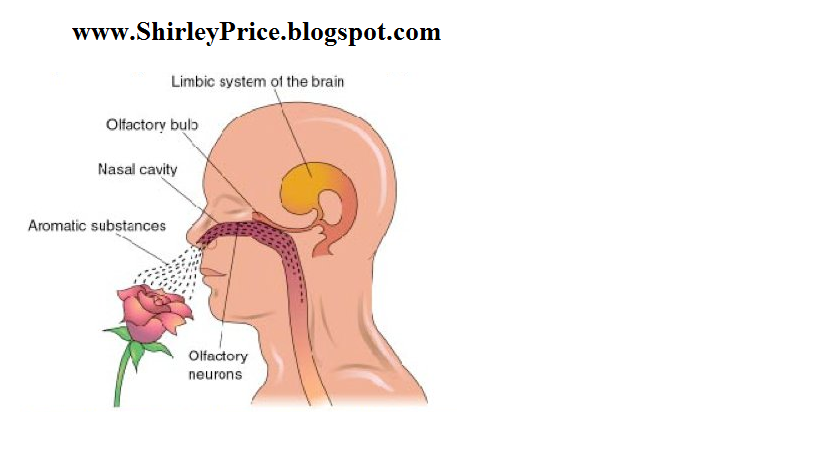
According to results of a new study, published in the journal Therapeutic Advances in Psychopharmacology, compounds in rosemary called terpenes can enter the bloodstream through the mucous membranes of the nose and lungs.
In a first study the researchers were able to show a terpene compound in rosemary called 1,8-cineole is also related to cognitive performance, but not alertness and attention.


Terpenes also easily cross the blood brain barrier, which is how the scent of rosemary affects brain chemistry.
Rosemary, eucalyptus, wormwood and sage have all been studied for their effect on the brain and nervous system.
Researchers believe terpenes in the aromatic plants inhibit the breakdown of the neurotransmitter acetylcholine in the brain.
Twenty subjects were used in the experiment. Researchers Mark Moss and Lorraine Oliver, working at the Brain, Performance and Nutrition Research Centre at Northumbria University, UK tested blood levels of 1,8-cineole in participants exposed to varying amounts of the oils in rosemary to see how much they had absorbed. The researchers performed speed and accuracy tests, and mood assessments, to judge rosemary oil's affects.
"Only contentedness possessed a significant relationship with 1,8-cineole levels, and interestingly to some of the cognitive performance outcomes, leading to the intriguing proposal that positive mood can improve performance whereas aroused mood cannot," said Moss.
Though rosemary has been used for medicinal purposes since ancient times, researchers haven’t been certain how the herb works in the body.
The new study shows a terpene, the main constituent of rosemary oil can boost brain power. According to the authors rosemary boosts levels of 1,8-cineole in the bloodstream, leading to improved cognition.
Therapeutic Advances in Psychopharmacology
“Plasma 1,8-cineole correlates with cognitive performance following exposure to rosemary essential oil aroma”
Mark Moss

Wednesday, 29 February 2012

Robert Tisserand weekend seminar - Imperial College London May 12,13

Share and Book a ticket - see also our other courses on our box office
Don’t miss this Robert Tisserand experience...
Join with us for a special Robert Tisserand event, and pick up the very latest in-depth knowledge and inspiration from the master himself at his May 2012 UK seminar.  Make this seminar the centrepiece of your 2012 CPD and join our distinguished attendees.
 As all professional aromatherapists will know, Robert Tisserand is regarded as one of the world’s leading experts on the many benefits of aroma and aromatherapy. I am delighted to be able to host the Robert Tisserand 2 day Weekend Seminar being held at Imperial College, London on May 12 and 13 this year.
Robert spends a great deal of time tracking all the published research relevant to essential oils and regularly collaborates on international projects with doctors, herbalists and pharmacologists. He is also familiar with the foundations of oriental medicine, and Western herbal and naturopathic traditions with their emphasis on cleansing, protecting, strengthening immune function and aiding natural healing processes. 
Tickets are selling quickly, so please log onto the booking link on www.PureAromatherapy.com for more details about the seminar itself and how you can join with your fellow professionals.
Hope to see you there.  See you also at our many 2012 spring and summer aromatherapy exhibitions and events.
Ian Brealey – CEO, Shirley Price Aromatherapy Ltd.
Ian.brealey@shirleypricearomatherapy.com

Monday, 27 February 2012

Clinical Aromatherapy - essential oils as medicines

Links I am looking at today
James Geiger MD
http://vimeo.com/33176990
this is an hourlong webinar on essential oils and their use in clinical aromatherapy. I found the review of the recent research very helpful in communications with health professionals. The medical terminology of 60 years ago used by Valnet is intelligible to therapists. However today the medical jargon and understanding of cellular level chemistry required to discuss the international scientific validation of aromatherapy treatments is not usually accessible to non scientists and non health professionals. This webinar sets it out in a very straightforward and well organised way.


Medical Aromatherapy by James Geiger MD, the oilMD from James Geiger on Vimeo.

http://roberttisserand.com/2012/02/essential-oils-as-medicines/

http://www.amazon.co.uk/Self-Instruction-Mental-Health-Nursing-Ironbar/dp/0702013277/ref=sr_1_1?ie=UTF8&qid=1330468929&sr=8-1

https://ylc.wg-group.com/?id=3F9C743A926A206180656E6EEE8648911AFDA7DF

More useful links
http://www.christie.nhs.uk/the-foundation-trust/treatments-and-clinical-services/clinical-services/complementary-therapy-services/workshops-and-training.aspx

reflexology research links

http://www.itecworld.co.uk/Syllabus/Unit%20Documents/Aromatherapy%20Syllabus.pdf

http://www.bbc.co.uk/iplayer/episode/b01dbbnv/Countryfile_04_03_2012/
Available for the next few days, a piece on the work of the Soil Association but the whole program is great.

Useful articles on this blog
http://thepowerof4-paula.blogspot.com/

Essentia

Essential oils and romance - Recipe for Romance

Massage oil base 50ml

Ginger 8 drops

Myrhh 5 drops

Jasmine 2 drops

Cardamon 1 drop

There are many recipes and of course you can find your own.  This recipe is by Kathi Keville.  Kathi Keville's classes.

For all their bravado overworked men can be nervous in the bedroom.  Did you know middle eastern brides traditionally burn sandalwood on their honeymoons to relax their husbands?  Romance is important and the research that follows shows why.  Particular couples are prone to divorce.  Divorce is a major cause of stress.

Essentia

Can essential oils help couples stay together?

Scientists have identified that genetic factors can predispose couples to divorce.  We all know a friend who despite every outward cause for happiness is miserable in their relationships.  Divorce is one of the biggest stress factors in modern life.  Divorce is now increasingly common.  The research follows.

Essentia


Hasse Walum


Scientists have identified a female 'divorce gene' that can identify which women will struggle to commit or have happy relationships.

The Daily Mail reports that Swedish researchers examined the DNA of more than 1,800 women and their patterns. Each couple had been together for more than five years, and were either married or living together.

They found that women who carried a variation of the oxytocin receptor gene, described as A-allele, were 50 per cent more likely to report 'martial crisis or threat of divorce'.

Oxytocin, also known as the 'love hormone' promotes feelings of love and affection. It is produced naturally, but especially during childbirth and breastfeeding to help mothers bond with their babies.

But if women can't process oxytocin properly, this could affect their ability to bond with others - including their partners.

Women who inherit this gene are less likely to get married in the first place, but if they do, there's a greater chance that their marriage won't last. 

Lead researcher Hasse Walum from Stockholm's Karolinska Institute said, "We've found evidence that oxytocin can be involved in the regulation of human pair-bonding by showing that variation in the oxytocin receptor gene is linked to how strongly women bond to a partner."

The same team identified the male version of the divorce gene several years ago. Instead of oxytocin, it affects the chemical vasopressin, which influences men's ability to commit and stay faithful.


Press release  
http://ki.se/ki/jsp/polopoly.jsp?l=en&d=130&a=60139&newsdep=130

Sunday, 26 February 2012

International Fragrance Association News


At the beginning of February IFRA hosted an exhibition in the European Parliament in Brussels, Belgium.

The exhibition, titled ‘A Sense of Europe’ was designed to show members of the European Parliament the role that fragrance plays in Europe’s cultural, artistic, historic and economic heritage.

The exhibition captured key moments in Europe’s post-war history and illustrated them through a series of moments in time, olfactory sculptures and popular perfumes of the day.


http://www.ifraorg.org/en-us/a_sense_of_Europe_expo

Essentia