ABOUT AROMATHERAPY EDUCATION
IFPA | IFA | FHT | VTCT | City & Guilds | ITEC
here are some useful links

The Sp Blog for everyone who loves aromatherapy. Since 1974 Sp have set the international standard for essential oils and training of the highest quality. Sp supply 1700 aromatherapists in 40 countries
Wednesday, 22 September 2010


Tuesday, 21 September 2010
How essential oils are obtained and used
INFORMATION
HOW ESSENTIAL OILS ARE OBTAINED - STEAM DISTILLATION ILLUSTRATED
jasmine | neroli | rose otto | sandalwood | helichrysum
HOW ESSENTIAL OILS ARE USED
44 oils for 46 conditions For students and practicioners alike we recommend this online training manual
Did you know you can download this Ready reference download for just just £8.99 Buy now

Index of Essential Oils – Information on the following 44 oils is included:
Basil Bergamot Black Pepper Cedarwood (Atlas) Chamomile (German) Chamomile (Roman) Cinnamon (Leaf) Citronella Clary-Sage Clove (Bud) Cypress Eucalyptus (Blue Gum) Fennel (Sweet) Frankincense Geranium Ginger Grapefruit Hyssop Jasmine Juniperberry Lavender Lemon Lemongrass Marjoram (Sweet) May Chang Melissa Myrrh Neroli Niaouli Nutmeg Orange (Sweet) Palmarosa Patchouli Peppermint Petitgrain Pine Rose (Cabbage) Rosemary Rosewood Sandalwood Tea-Tree Thyme (White) Vetivert Ylang Ylang

Conditions and Treatments – This section provides an excellent reference for the qualified practitioner. It contains information on the following 46 conditions and treatments:
Acne Alopecia Amenorrhoea Arthritis – osteo Arthritis – rheumatoid Asthma Athlete’s foot Bruise Catarrh Cellulite Chilblains Colds and flu Cold sore Cramp Cystitis Depression Diarrhoea Dysmenorrhoea Eczema Fever Gout Headache Hypertension Hypotension Indigestion (Dyspepsia) Insect bite/sting Insomnia Irritable Bowel Syndrome Laryngitis Menopause Menorrhagia Migraine Neuralgia Oedema Psoriasis Raynaud’s Disease Sciatica Shock Sinusitis Sprain Stress Sunburn Thrush Tonsillitis Varicose veins Wart/verruca
HOW ESSENTIAL OILS ARE OBTAINED - STEAM DISTILLATION ILLUSTRATED
jasmine | neroli | rose otto | sandalwood | helichrysum
HOW ESSENTIAL OILS ARE USED
44 oils for 46 conditions For students and practicioners alike we recommend this online training manual
Did you know you can download this Ready reference download for just just £8.99 Buy now
Index of Essential Oils – Information on the following 44 oils is included:
Basil Bergamot Black Pepper Cedarwood (Atlas) Chamomile (German) Chamomile (Roman) Cinnamon (Leaf) Citronella Clary-Sage Clove (Bud) Cypress Eucalyptus (Blue Gum) Fennel (Sweet) Frankincense Geranium Ginger Grapefruit Hyssop Jasmine Juniperberry Lavender Lemon Lemongrass Marjoram (Sweet) May Chang Melissa Myrrh Neroli Niaouli Nutmeg Orange (Sweet) Palmarosa Patchouli Peppermint Petitgrain Pine Rose (Cabbage) Rosemary Rosewood Sandalwood Tea-Tree Thyme (White) Vetivert Ylang Ylang

Conditions and Treatments – This section provides an excellent reference for the qualified practitioner. It contains information on the following 46 conditions and treatments:
Acne Alopecia Amenorrhoea Arthritis – osteo Arthritis – rheumatoid Asthma Athlete’s foot Bruise Catarrh Cellulite Chilblains Colds and flu Cold sore Cramp Cystitis Depression Diarrhoea Dysmenorrhoea Eczema Fever Gout Headache Hypertension Hypotension Indigestion (Dyspepsia) Insect bite/sting Insomnia Irritable Bowel Syndrome Laryngitis Menopause Menorrhagia Migraine Neuralgia Oedema Psoriasis Raynaud’s Disease Sciatica Shock Sinusitis Sprain Stress Sunburn Thrush Tonsillitis Varicose veins Wart/verruca
Saturday, 18 September 2010
Aroma science - anatomy and physiology
Heres a nice link to the London Science Museum's new gallery "Who am I?"
http://www.sciencemuseum.org.uk/WhoAmI/Visit.aspx
http://www.sciencemuseum.org.uk/WhoAmI/Visit.aspx
Friday, 17 September 2010
Cypress. Why harmful?
Continuing the safety theme, every day I receive some 40 emails and several letters from all over the world and at the moment several concern the changes to our labels. One of the reasons for this blog is to have certain articles to which I can refer customers for information easily.
"Hi Ian
What's the meaning of Harmful on the labels of the cypress?
best wishes"
Firstly I should say that essential oils are very much part of the solution in terms of minimising and replacing synthetic chemicals. Cypress is non toxic, non irritant and non sensitising but like all essential oils potentially harmful. The principal constituents are pinene and carene (40%).
In the EU all chemicals must be classified according to harmful to the environment, flammable, irritant, harmful.


Let me give you an idea of the harm that Cypress can do. Along with 65 other essential oils if you were to drink 350ml (so 70 of our 5ml bottles) then for a 70kg adult there is the risk of death. In theory therefore we are supplying a substance which could be harmful and we need to note that on the label. We could supply our oils without the harmful label but it seems sensible to me to note that for all essential oils they must be used in a knowledgeable way.
Cypress is useful particularly in the treatment of skin conditions in which cypress excels for acne and oily skin and excessive perspiration. Cypress is a calming oil. Cypress is used in the treatment of persistent varicose veins and haemorrhoids. Cypress is used in cough remedies.
As to aroma this month for a University of Leicester enviromental exhibition on odours we recommended Cypress and provided a sample as representative of woody essential oils like pine, cedarwood and sandalwoood. Like these woody oils men in particular fine cypress relaxing. Sandalwood is burned by middle eastern brides to relax their husbands on honeymoon. One Sudanese friend said to me he will always remember the aroma.
The family who make this oil for Shirley Price Aromatherapy in the winter months. They distill lavender in the summer along with other oils supplied to aromatherapists and distill pine and cypress in the winter.
As to the tree itself it ranks with eucalyptus as one of the longest lived trees living to 2000 years old. The appearance of the cypress tree is always inspiring and a reminder of our place in the world. It appears on the front of the Shirley Price retail website.
Essentia
"Hi Ian
What's the meaning of Harmful on the labels of the cypress?
best wishes"
Firstly I should say that essential oils are very much part of the solution in terms of minimising and replacing synthetic chemicals. Cypress is non toxic, non irritant and non sensitising but like all essential oils potentially harmful. The principal constituents are pinene and carene (40%).
In the EU all chemicals must be classified according to harmful to the environment, flammable, irritant, harmful.
Let me give you an idea of the harm that Cypress can do. Along with 65 other essential oils if you were to drink 350ml (so 70 of our 5ml bottles) then for a 70kg adult there is the risk of death. In theory therefore we are supplying a substance which could be harmful and we need to note that on the label. We could supply our oils without the harmful label but it seems sensible to me to note that for all essential oils they must be used in a knowledgeable way.
Cypress is useful particularly in the treatment of skin conditions in which cypress excels for acne and oily skin and excessive perspiration. Cypress is a calming oil. Cypress is used in the treatment of persistent varicose veins and haemorrhoids. Cypress is used in cough remedies.
As to aroma this month for a University of Leicester enviromental exhibition on odours we recommended Cypress and provided a sample as representative of woody essential oils like pine, cedarwood and sandalwoood. Like these woody oils men in particular fine cypress relaxing. Sandalwood is burned by middle eastern brides to relax their husbands on honeymoon. One Sudanese friend said to me he will always remember the aroma.
The family who make this oil for Shirley Price Aromatherapy in the winter months. They distill lavender in the summer along with other oils supplied to aromatherapists and distill pine and cypress in the winter.
As to the tree itself it ranks with eucalyptus as one of the longest lived trees living to 2000 years old. The appearance of the cypress tree is always inspiring and a reminder of our place in the world. It appears on the front of the Shirley Price retail website.
Essentia
Saturday, 11 September 2010
How safe are essential oils? -oral and dermal toxicity
Returning to the safety theme, grouping essential oils. By any standards the commonly used essential oils are very safe however knowledge and caution should be used for certain oils. Some oils should only be used under the guidance of a properly trained aromatherapist.

140 ESSENTIAL OILS A to D E to J L to N O to S T to Z
origins and allergens notes for Shirley Price college oils
In 1993 a guide was published that grouped the 140 oils obtained by distillation and 9 by expression.
Group 1 the safest category contains 65 essential oils all having oral and dermal toxicity at or above 350mls per 70kg adult. Thats a lot of essential oil! Oils should not be taken internally as all oils irritate mucous membranes. These oils were tested at concentration of 12-30% on human volunteers without any irriatation or sensitisation reactions. Generally it is recommended to use 15 drops in 50ml of carrier oil for massage.
Group 2 has the same oral toxicity as Group 1 but higher dermal toxicity. 10 essential oils.
Group 3 contains the citrus oils. 9 essential oils. Their extraction by expression means they can contain some non volatile components which render some of them phototoxic (not to be used before going into sunlight). Because they are produced by expression (squeezing the rinds) we favour the use of organically certified citrus oils to avoid pesticide residues.
Group 4-7,these are 33 essential oils with increasing degrees of oral toxicity but the same low dermal toxicity.
Of these Group 7 oils have oral toxicity of 0.5g/kg to 1.5g/kg. Group 7 oils include Basil and Hyssop (which itself should be used only by professional aromatherapists).
So it can be concluded that all these 117 oils could be used safely in a 2% skincare cream though Basil and Hyssop should be avoided.
Higher risk oils possess certain hazards and caution in their use is recommended expressly by using in more dilute fashion.
Thuja, recommended dilution limit 2%
Citronella, Tagetes dilution limit 0.25-1% and avoid for hypersensitive individuals
Cinnamon Bark dilution limit 1% but this oil has the possibility of strong sensitisation so should always be used by first making a patch test 24 hours before use.
Caraway, Cumin Oil, Clove leaf oil have moderate to high dermal toxicity, Clove leaf contains 95% eugenol. Oregano, Savory. recommended dilution limit 2%
Clove leaf's toxicity is 1.37g/kg so for a 70kg adult thats about 100g while essential oil is commonly supplied in 3ml to 10ml bottles.(clove bud which is used by aromatherapists has lower toxicity)
this excellent guide can be obtained second hand.
http://www.amazon.co.uk/Safety-Guide-Use-Essential-Oils/dp/0952106809/ref=sr_1_2?ie=UTF8&s=books&qid=1284234849&sr=8-2
Wednesday, 8 September 2010
Commercial break - ingredients in our skincare
100% Organic 100% natural is our aim
our organic collection is parabens free

Argan oil
We use this wherever we can. Argan oil is an oil produced from the kernels of the argan tree, that is valued for its nutritive, cosmetic and numerous medicinal properties. The tree is extremely well adapted to drought and other environmentally difficult conditions of southwestern Morocco
Bay Leaf (Laurus Nobilis)
Essential oil with a long and distinguished beauty history, it is obtained from the leaves of the bay laurel tree indigenous to the Mediterranean. Often used as a spice or fragrance, it also acts as a scalp clarifier and tonic.
Beeswax (Cera Alba)
Our beeswax is a 100% natural product from Laos. Beeswax is a natural substance obtained from melting honeycomb in boiling water. Highly skin compatible, it works well in cosmetic products because of compounds called wax esters that exist in both beeswax and human skin. Beeswax is therefore a brilliant hydrating ingredient that increases skin's essential moisture and forms a breathable shield to protect the skin from moisture loss. It also has powerful anti-microbial properties and helps soften and soothe dry irritated skin, without clogging pores.
Black Seed Oil (Nigella Sativa)
Revered by Muslims Black seed is seen as a cureall. In fact the prophet is said to have observed cures 'everything but death'. Remaining healthy was vital on the long journeys made by the trade caravans of the Middle East. Modern research focuses on black seed's anti cancer properties. Skin research confirms that Nigella Sativa helps skin resist the ageing process through the presence of a remarkable water-retentive protein. It can help reverse the effect of sun damage on delicate skin, and rejuvenate tired looking, older skin. This much prized oil was found in Tutankhamen's tomb; and it is known to have been used by Cleopatra for its health and beauty giving qualities. It contains 58% of essential fatty acids including Omega 6 and Omega 3; plus healing oils including nigellone and thymochinone, responsible for its anti-histamine, anti-oxidant, and anti-infective effect.
Nigella Sativa is composed of over 100 valuable components, such as protein, carbohydrates, essential fatty acids (omega 3 and Omega 6), vitamins A, B, B1, B2, C and niacin as well as minerals such as calcium, potassium, iron, magnesium, selenium and zinc. It is also a source of sodium and potassium, with the main function of acting as essential cofactors in various enzyme pathways. Black seed oils aroma can dominate a mix.
Chamomile (Anthemis Nobilis)
If you can bear the 'still odour' this oil is excellent in a night cream on its own. Its renowned soothing properties have ensured that chamomile has a long tradition of being used in inflammatory skin conditions. It is good for sensitive skin, and helpful in dermatitis.

The benefits of the essential oils in plants are also gained in cooking using the seeds, flowers, leaves and roots of plants. Here are chamomile flower heads for sale in a Provencal market.
Clove Flower Oil (Eugenia Caryophyllus)
It has a warming effect on the skin, and helps stimulate circulation.
Cocoa Butter (Theobroma Cacao)
Cocoa Butter has a well-earned reputation as a skin enhancer. Obtained from cocoa beans, it is used extensively by African women to keep their skin in healthy and smooth condition, and is particularly good for protecting against extreme, skin-damaging weather conditions. It has anti-oxidant properties (high in natural tocopherols, which mop up harmful substances in the body by neutralising them) as well as certain polyphenols (found to suppress active oxygen, a factor in cancer). Cocoa has been shown to contain more than twice the phenolic compounds as in red wine and three times the amount in green tea.
It has excellent skin softening properties and antioxidant characteristics makes it an excellent choice for rejuvenation of the skin. It is especially good for dry skin as it nourishes, softens, soothes and protects. Cocoa Butter is a natural choice for 'skin on the mend' such as stretch marks and new scar tissue.
Frankincense (Boswellia carterii)
This organic oil from Somalia is one of the most valued ingredients in skincare renowned for its rejuvenating properties.
Gamma Linoleic Acid (GLA)
Essential Fatty Acids (EFA are called essential since our bodies cannot make them) in particular Gamma-linolenic Acids (GLA) are vital to healthy cell functioning. They are also potent free radical scavengers, protecting skin from pollution, sun damage and other environmental stressors. EFA rich oils including Safflower Oil, Black Seed Oil, Jojoba Oil and Rosehip Oil, help skin cells to regenerate, therefore, making them ideal ingredients for use in products which help reduce wrinkles and for dry, damaged or ageing skin.
Geranium’s ability as a revitaliser gives skin a radiant glow – whatever the complexion or skin type. Its cleansing and balancing effect on the production of sebum is also beneficial to numerous skin disorders. It is also believed to slow the ageing process!
Grapefruit (Citrus Grandis)
This is a positively purifying and detoxifying oil, highly effective, particularly in aiding congested skin. Grapefruit increases the circulation, helps stimulate lymphatic drainage, and has toning and astringent effects.
Jasmine
not an organic ingredient but an indispensible aid to skincare. Jasmine profoundly engages the limbic system and promotes a feeling of connection and wellbeing. It is valued by therapists in dealing with people with learning disabilities.
Jojoba Oil (Simmondsia Chinensis)
Oil extracted from the bean-like seeds of a desert shrub, used as a skin lubricant. Jojoba comes closest to the skin's actual sebum. In harmony with your skin, it is easily absorbed and imparts a soft, velvety quality. It is also protective, helping the skin retain its moisture, and with a sun factor of 4.
Juniper Berry (Juniperus Communis Fruit)
Received wisdom shows us that, through the ages, Greek, Roman and Arabian medics have valued Juniper Berry highly for its antiseptic properties. Well known for its skin detoxifying and purifying effects, it is a marvellous aid in balancing oily complexions, helpful in acne, and acts as a fine skin toner/astringent.
Lavender (Lavandula Angustifolia)
Often referred to as the herb of beautiful balance, Lavender is calming, soothing, normalizing and renowned for restoring unbalanced skin states. This oil promotes growth of new cells, thus encouraging the development of new skin tissue, and balances sebum, so every skin can benefit from a rejuvenating treatment with lavender oil. Its very special properties make it particularly useful for a variety of skin irritations and disorders, including dryness, acne and eczema.

Lemongrass (Cymbopogon Schoenanthus)
Used in traditional Indian medicine for acne and for shrinking open pores, its antimicrobial, antiseptic and astringent properties make it an ideal oil for use in oily skin preparations and for skin prone to break outs.
Lemon Myrtle (Backhousia Citriodora)
One of Australia's most famous oils. Highly effective essential oil, obtained from a flowering plant native to the semi-temperate rainforests of eastern Australia. Scientific tests show it to be a potent anti-bacterial, anti-fungal and anti-viral, more powerful than tea tree oil however it has found particular application in skin care.
Mandarin (Citrus Reticulata)
Because of its harmonizing compatibility with even the youngest, most delicate skin, it is commonly known as the children's essential oil - non-toxic, non-irritant and with non-sensitising properties. In skincare, it is useful for scars, spots and stretch marks. The essential oil is extracted from the outer peel by cold expression.
Mustard Seed Oil (Brassica Nigra)
Romans and Greeks have been using this beneficial oil for centuries, and the oil is used in Northern India to promote healthy hair growth. It is excellent as a hair tonic, and helps stimulate the scalp, and promotes hair growth. Mustard seed oil contains high levels of selenium and zinc (lack of which has been linked to hair loss). It is also rich in beta-carotene, which stimulates the production of vitamin A, and is also a very good source of omega-3 fatty acids as well as iron, calcium, zinc, manganese and niacin. It is also a good source of magnesium, which amongst other beneficial properties, has been shown to restore normal sleep patterns in women having difficulty with the symptoms of menopause, and migraine attacks.
Myrhh
The bilble records how the women of ancient Babylon used Myrhh and plant oils in their beauty treatments in the book of Ester.
Neem Oil (Azadirachta Indica)
Neem is an esteemed oil, because its active constituents have been seen to play a vital part in so many areas of beauty. Popularly known in India as the "village dispensary", Neem is well known for its beneficial effects on the skin and in scalp disorders. Neem oil has excellent moisturising, regenerative and restructuring properties. Its antibacterial, anti-viral, anti-inflammatory and fungicide properties, make it perfect for itchy, dry hair and scalp conditions. It helps restore body and shine to dry, damaged and delicate hair and helps mend the appearance of split ends. The concentrated essential fatty acids help to restore moisture and elasticity to the skin. It is well documented in Ayurvedic texts as medicine against skin and scalp diseases. Neem research centres include: Cambridge University's Medical Entomology Centre, UK Inveresk Research Centre, Glasgow, Scotland Griffith University, Queensland, Australia Harvard University, USA
Olive Oil (Olea Europaea)
Olive oil has regenerating power on the skin tissue and has the ability to regulate the natural moisturising system of the skin. It smoothes and softens and is great for stimulating and healing, toning and firming the skin. Its high concentration of anti-oxidants - including chlorophyll, and carotenoids - have free radical scavenging abilities, so helping to promote and preserve younger-looking skin. Olive oil is rich in polyphenols, known to have anti-inflammatory (similar to Ibuprofen), anti-oxidant and anti-coagulant actions.
Patchouli (Pogostemon Cablin)
Particularly useful and nurturing in skincare due to its regenerative effects, patchouli helps heal and diminish many skin complaints including oiliness, acne, eczema, and wrinkles. It also helps dry, ageing skin to rejuvenate.
Pomegranate Seed Oil (Punica Granatum)
Cold pressed Pomegranate Seed Oil helps boost skin restoration, improve elasticity of the skin, has anti-oxidant properties, and helps with the production of collagen to aid reversing the damage caused by sun exposure. Pomegranate seed polyphenols possess potent antioxidant and most likely cardiovascular and anti-inflammatory effects as well. Pomegranate is also the highest known source of gamma-tocopherol and polyphenols. Research at the University of California indicates that the total antioxidant capacity of 100 ml of pomegranate juice is two to three times that of 100 ml of green tea. Scientific research also shows that pomegranate juice is also high in natural oestrogen, which is known to help protect postmenopausal women against heart disease and osteoporosis.
Rosemary (Rosmarinus Officinalis)
One of the earliest plants to be used for food and medicine. Used in hair preparations for dandruff, dermatitis, eczema and greasy hair. It promotes hair growth and stimulates the scalp. It also has anti fungal properties and helps with both circulation and varicose veins.
Rosehip Seed Oil (Rosa Canina)
Rosehip Oil is traditionally an absolute beauty essential. Harvested from the seed of a native wild rose grown in southern Chile, it has been used for centuries in South America for its remarkable healing, moisturising and rejuvenating qualities. It has been shown to aid cell regeneration, boosting levels of collagen and elastin, to create smoother, firmer skin. It also helps to reduce pigmentation and raised scar tissue by promoting healthy skin renewal - it is effective even on old scars. Rosehip oil helps to prevent and fade stretch marks. It is also a powerful antioxidant. When applied to the skin daily it protects from free radical damage, associated with the harmful influence of sun, weather and ageing. Rosehip Seed Oil consists of three-quarters essential fatty acids: oleic, linoleic, and linolenic, which help maintain healthy skin. It is an excellent source of trans-retinoic acid (a natural precursor of vitamin A). The synthesised version of retinoic acid called Retinol, is well known for treating a variety of skin disorders and used to delay the effects of skin ageing.
It was first studied in 1983 by a team of researchers from the Faculty of Chemistry and Pharmacology at the University of Concepcion in Chile, to evaluate the oil's effect in the skin regeneration process. During the two-year study, the oil was applied to 180 patients with surgical scars, injury scars and post-burn scars, as well as to a group suffering from premature aging. It was found that Rosehip Seed Oil produced an effective regenerative action on the skin, helping to attenuate scars and wrinkles, preventing advancement of premature ageing, and regaining lost colour and tone.
Sesame Seed Oil (Sesamum Indicum)
Known as the Queen of oils this oil is favoured in asia. Cold pressed oil is a golden yellow. It can dominate an aroma mix. It has good keeping qualities due to its anti oxident content.
Sandalwood oil
Ideal for mens products. Its woody smell is relaxing.
Sesame Seed Oil (Sesamum Indicum)
Sesame Oil is highly recommended within Ayurvedic medicine as a massage oil as its chemical structure gives it a unique ability to penetrate the skin easily, nourishing and detoxifying even the deepest tissue layers. It has exceptional moisturising properties, probably due to its high Vitamin E content (25mg per 100gms). It also contains iron and phosphorus and is believed to be effective in delaying greying of the hair. Not only are sesame seeds a very good source of manganese and copper (copper plays an important role in the activity of lysyl oxidase, an enzyme needed for the cross-linking of collagen and elastin), they are also a good source of calcium, magnesium, iron, phosphorous, Vitamin B1, and zinc. Sesame oil is used for eczema, psoriasis and mature skin. In folk medicine it has also been used to help fade blemishes. Apparently the women of ancient Babylon would eat halva, a mixture of honey and sesame seeds, to prolong their youth and beauty. The Merck Manual lists it as oil with exceptional antiseptic properties, hence effective in treating sensitive skin conditions such as atopic eczema and psoriasis.
Shea Butter (Butyrospermum Parkii)
Shea butter has been used for centuries in Africa for its skin healing and moisturising capabilities. It's superior moisturising ability, anti ageing/anti wrinkle and cell regeneration properties help to fade scars and stretch marks. It is known to improve skin's elasticity.
Safflower Oil (Carthamus Tinctorius)
Safflower Oil is mentioned in ancient Egyptian texts and was used to heal old wounds. It is easily absorbed by the skin due to its high linoleic acid content (80%), has superior skin compatibility, and soothes skin irritations/itchiness. It increases the moisture content of the skin (skin hydration is proportional to the level of linoleic acid in the skin) and is particularly good for sensitive skin. Linoleic acid is an essential fatty acid which plays a vital role in the health of the body, and is used to produce prostaglandins. Prostaglandins strengthen cell membranes, and when not enough is produced, it can cause skin to become dry and wrinkled.
Vitamin E (Natural D-Mixed Tocopherol)

Vitamin E acts as a free radical scavenger, by hindering the oxidizing process in the skin. It promotes soft and supple skin, helps in reducing old scars and promotes healing. Used as a 'preservative' in our oil formulations, d-Mixed Tocopherol is a natural form of Vitamin E obtained from non GMO Soya beans.
Our Vitamin E is a 100 percent natural product, containing a mixture of alpha, beta, gamma and delta tocopherols (containing a minimum of 70% mixed tocopherols with alpha tocopherol at a maximum of 14% and beta, gamma and delta tocopherols at a minimum of 56%).
Natural Vitamin E has twice the bio-availibility than its synthetic versions.
Ylang-Ylang (Cananga Odorata)
The ylang-ylang tree is native to Indonesia and the Philippines, and the oil is known to regulate and stimulate circulation. It has a balancing effect on sebum, and is hydrating and beneficial for mature, dry and oily skin types. In the Victorian age, the oil was used in popular hair oils, due to its stimulating effect on the scalp, encouraging hair growth.

our organic collection is parabens free

Argan oil
We use this wherever we can. Argan oil is an oil produced from the kernels of the argan tree, that is valued for its nutritive, cosmetic and numerous medicinal properties. The tree is extremely well adapted to drought and other environmentally difficult conditions of southwestern Morocco
Bay Leaf (Laurus Nobilis)
Essential oil with a long and distinguished beauty history, it is obtained from the leaves of the bay laurel tree indigenous to the Mediterranean. Often used as a spice or fragrance, it also acts as a scalp clarifier and tonic.
Beeswax (Cera Alba)
Our beeswax is a 100% natural product from Laos. Beeswax is a natural substance obtained from melting honeycomb in boiling water. Highly skin compatible, it works well in cosmetic products because of compounds called wax esters that exist in both beeswax and human skin. Beeswax is therefore a brilliant hydrating ingredient that increases skin's essential moisture and forms a breathable shield to protect the skin from moisture loss. It also has powerful anti-microbial properties and helps soften and soothe dry irritated skin, without clogging pores.
Black Seed Oil (Nigella Sativa)
Revered by Muslims Black seed is seen as a cureall. In fact the prophet is said to have observed cures 'everything but death'. Remaining healthy was vital on the long journeys made by the trade caravans of the Middle East. Modern research focuses on black seed's anti cancer properties. Skin research confirms that Nigella Sativa helps skin resist the ageing process through the presence of a remarkable water-retentive protein. It can help reverse the effect of sun damage on delicate skin, and rejuvenate tired looking, older skin. This much prized oil was found in Tutankhamen's tomb; and it is known to have been used by Cleopatra for its health and beauty giving qualities. It contains 58% of essential fatty acids including Omega 6 and Omega 3; plus healing oils including nigellone and thymochinone, responsible for its anti-histamine, anti-oxidant, and anti-infective effect.
Nigella Sativa is composed of over 100 valuable components, such as protein, carbohydrates, essential fatty acids (omega 3 and Omega 6), vitamins A, B, B1, B2, C and niacin as well as minerals such as calcium, potassium, iron, magnesium, selenium and zinc. It is also a source of sodium and potassium, with the main function of acting as essential cofactors in various enzyme pathways. Black seed oils aroma can dominate a mix.
Chamomile (Anthemis Nobilis)
If you can bear the 'still odour' this oil is excellent in a night cream on its own. Its renowned soothing properties have ensured that chamomile has a long tradition of being used in inflammatory skin conditions. It is good for sensitive skin, and helpful in dermatitis.

The benefits of the essential oils in plants are also gained in cooking using the seeds, flowers, leaves and roots of plants. Here are chamomile flower heads for sale in a Provencal market.
Clove Flower Oil (Eugenia Caryophyllus)
It has a warming effect on the skin, and helps stimulate circulation.
Cocoa Butter (Theobroma Cacao)
Cocoa Butter has a well-earned reputation as a skin enhancer. Obtained from cocoa beans, it is used extensively by African women to keep their skin in healthy and smooth condition, and is particularly good for protecting against extreme, skin-damaging weather conditions. It has anti-oxidant properties (high in natural tocopherols, which mop up harmful substances in the body by neutralising them) as well as certain polyphenols (found to suppress active oxygen, a factor in cancer). Cocoa has been shown to contain more than twice the phenolic compounds as in red wine and three times the amount in green tea.
It has excellent skin softening properties and antioxidant characteristics makes it an excellent choice for rejuvenation of the skin. It is especially good for dry skin as it nourishes, softens, soothes and protects. Cocoa Butter is a natural choice for 'skin on the mend' such as stretch marks and new scar tissue.
Frankincense (Boswellia carterii)
This organic oil from Somalia is one of the most valued ingredients in skincare renowned for its rejuvenating properties.
Gamma Linoleic Acid (GLA)
Essential Fatty Acids (EFA are called essential since our bodies cannot make them) in particular Gamma-linolenic Acids (GLA) are vital to healthy cell functioning. They are also potent free radical scavengers, protecting skin from pollution, sun damage and other environmental stressors. EFA rich oils including Safflower Oil, Black Seed Oil, Jojoba Oil and Rosehip Oil, help skin cells to regenerate, therefore, making them ideal ingredients for use in products which help reduce wrinkles and for dry, damaged or ageing skin.
Geranium’s ability as a revitaliser gives skin a radiant glow – whatever the complexion or skin type. Its cleansing and balancing effect on the production of sebum is also beneficial to numerous skin disorders. It is also believed to slow the ageing process!
Grapefruit (Citrus Grandis)
This is a positively purifying and detoxifying oil, highly effective, particularly in aiding congested skin. Grapefruit increases the circulation, helps stimulate lymphatic drainage, and has toning and astringent effects.
Jasmine
not an organic ingredient but an indispensible aid to skincare. Jasmine profoundly engages the limbic system and promotes a feeling of connection and wellbeing. It is valued by therapists in dealing with people with learning disabilities.
Jojoba Oil (Simmondsia Chinensis)
Oil extracted from the bean-like seeds of a desert shrub, used as a skin lubricant. Jojoba comes closest to the skin's actual sebum. In harmony with your skin, it is easily absorbed and imparts a soft, velvety quality. It is also protective, helping the skin retain its moisture, and with a sun factor of 4.
Juniper Berry (Juniperus Communis Fruit)
Received wisdom shows us that, through the ages, Greek, Roman and Arabian medics have valued Juniper Berry highly for its antiseptic properties. Well known for its skin detoxifying and purifying effects, it is a marvellous aid in balancing oily complexions, helpful in acne, and acts as a fine skin toner/astringent.
Lavender (Lavandula Angustifolia)
Often referred to as the herb of beautiful balance, Lavender is calming, soothing, normalizing and renowned for restoring unbalanced skin states. This oil promotes growth of new cells, thus encouraging the development of new skin tissue, and balances sebum, so every skin can benefit from a rejuvenating treatment with lavender oil. Its very special properties make it particularly useful for a variety of skin irritations and disorders, including dryness, acne and eczema.

Lemongrass (Cymbopogon Schoenanthus)
Used in traditional Indian medicine for acne and for shrinking open pores, its antimicrobial, antiseptic and astringent properties make it an ideal oil for use in oily skin preparations and for skin prone to break outs.
Lemon Myrtle (Backhousia Citriodora)
One of Australia's most famous oils. Highly effective essential oil, obtained from a flowering plant native to the semi-temperate rainforests of eastern Australia. Scientific tests show it to be a potent anti-bacterial, anti-fungal and anti-viral, more powerful than tea tree oil however it has found particular application in skin care.
Mandarin (Citrus Reticulata)
Because of its harmonizing compatibility with even the youngest, most delicate skin, it is commonly known as the children's essential oil - non-toxic, non-irritant and with non-sensitising properties. In skincare, it is useful for scars, spots and stretch marks. The essential oil is extracted from the outer peel by cold expression.
Mustard Seed Oil (Brassica Nigra)
Romans and Greeks have been using this beneficial oil for centuries, and the oil is used in Northern India to promote healthy hair growth. It is excellent as a hair tonic, and helps stimulate the scalp, and promotes hair growth. Mustard seed oil contains high levels of selenium and zinc (lack of which has been linked to hair loss). It is also rich in beta-carotene, which stimulates the production of vitamin A, and is also a very good source of omega-3 fatty acids as well as iron, calcium, zinc, manganese and niacin. It is also a good source of magnesium, which amongst other beneficial properties, has been shown to restore normal sleep patterns in women having difficulty with the symptoms of menopause, and migraine attacks.
Myrhh
The bilble records how the women of ancient Babylon used Myrhh and plant oils in their beauty treatments in the book of Ester.
Neem Oil (Azadirachta Indica)
Neem is an esteemed oil, because its active constituents have been seen to play a vital part in so many areas of beauty. Popularly known in India as the "village dispensary", Neem is well known for its beneficial effects on the skin and in scalp disorders. Neem oil has excellent moisturising, regenerative and restructuring properties. Its antibacterial, anti-viral, anti-inflammatory and fungicide properties, make it perfect for itchy, dry hair and scalp conditions. It helps restore body and shine to dry, damaged and delicate hair and helps mend the appearance of split ends. The concentrated essential fatty acids help to restore moisture and elasticity to the skin. It is well documented in Ayurvedic texts as medicine against skin and scalp diseases. Neem research centres include: Cambridge University's Medical Entomology Centre, UK Inveresk Research Centre, Glasgow, Scotland Griffith University, Queensland, Australia Harvard University, USA
Olive Oil (Olea Europaea)
Olive oil has regenerating power on the skin tissue and has the ability to regulate the natural moisturising system of the skin. It smoothes and softens and is great for stimulating and healing, toning and firming the skin. Its high concentration of anti-oxidants - including chlorophyll, and carotenoids - have free radical scavenging abilities, so helping to promote and preserve younger-looking skin. Olive oil is rich in polyphenols, known to have anti-inflammatory (similar to Ibuprofen), anti-oxidant and anti-coagulant actions.
Patchouli (Pogostemon Cablin)
Particularly useful and nurturing in skincare due to its regenerative effects, patchouli helps heal and diminish many skin complaints including oiliness, acne, eczema, and wrinkles. It also helps dry, ageing skin to rejuvenate.
Pomegranate Seed Oil (Punica Granatum)
Cold pressed Pomegranate Seed Oil helps boost skin restoration, improve elasticity of the skin, has anti-oxidant properties, and helps with the production of collagen to aid reversing the damage caused by sun exposure. Pomegranate seed polyphenols possess potent antioxidant and most likely cardiovascular and anti-inflammatory effects as well. Pomegranate is also the highest known source of gamma-tocopherol and polyphenols. Research at the University of California indicates that the total antioxidant capacity of 100 ml of pomegranate juice is two to three times that of 100 ml of green tea. Scientific research also shows that pomegranate juice is also high in natural oestrogen, which is known to help protect postmenopausal women against heart disease and osteoporosis.
Rosemary (Rosmarinus Officinalis)
One of the earliest plants to be used for food and medicine. Used in hair preparations for dandruff, dermatitis, eczema and greasy hair. It promotes hair growth and stimulates the scalp. It also has anti fungal properties and helps with both circulation and varicose veins.
Rosehip Seed Oil (Rosa Canina)
Rosehip Oil is traditionally an absolute beauty essential. Harvested from the seed of a native wild rose grown in southern Chile, it has been used for centuries in South America for its remarkable healing, moisturising and rejuvenating qualities. It has been shown to aid cell regeneration, boosting levels of collagen and elastin, to create smoother, firmer skin. It also helps to reduce pigmentation and raised scar tissue by promoting healthy skin renewal - it is effective even on old scars. Rosehip oil helps to prevent and fade stretch marks. It is also a powerful antioxidant. When applied to the skin daily it protects from free radical damage, associated with the harmful influence of sun, weather and ageing. Rosehip Seed Oil consists of three-quarters essential fatty acids: oleic, linoleic, and linolenic, which help maintain healthy skin. It is an excellent source of trans-retinoic acid (a natural precursor of vitamin A). The synthesised version of retinoic acid called Retinol, is well known for treating a variety of skin disorders and used to delay the effects of skin ageing.
It was first studied in 1983 by a team of researchers from the Faculty of Chemistry and Pharmacology at the University of Concepcion in Chile, to evaluate the oil's effect in the skin regeneration process. During the two-year study, the oil was applied to 180 patients with surgical scars, injury scars and post-burn scars, as well as to a group suffering from premature aging. It was found that Rosehip Seed Oil produced an effective regenerative action on the skin, helping to attenuate scars and wrinkles, preventing advancement of premature ageing, and regaining lost colour and tone.
Sesame Seed Oil (Sesamum Indicum)
Known as the Queen of oils this oil is favoured in asia. Cold pressed oil is a golden yellow. It can dominate an aroma mix. It has good keeping qualities due to its anti oxident content.
Sandalwood oil
Ideal for mens products. Its woody smell is relaxing.
Sesame Seed Oil (Sesamum Indicum)
Sesame Oil is highly recommended within Ayurvedic medicine as a massage oil as its chemical structure gives it a unique ability to penetrate the skin easily, nourishing and detoxifying even the deepest tissue layers. It has exceptional moisturising properties, probably due to its high Vitamin E content (25mg per 100gms). It also contains iron and phosphorus and is believed to be effective in delaying greying of the hair. Not only are sesame seeds a very good source of manganese and copper (copper plays an important role in the activity of lysyl oxidase, an enzyme needed for the cross-linking of collagen and elastin), they are also a good source of calcium, magnesium, iron, phosphorous, Vitamin B1, and zinc. Sesame oil is used for eczema, psoriasis and mature skin. In folk medicine it has also been used to help fade blemishes. Apparently the women of ancient Babylon would eat halva, a mixture of honey and sesame seeds, to prolong their youth and beauty. The Merck Manual lists it as oil with exceptional antiseptic properties, hence effective in treating sensitive skin conditions such as atopic eczema and psoriasis.
Shea Butter (Butyrospermum Parkii)
Shea butter has been used for centuries in Africa for its skin healing and moisturising capabilities. It's superior moisturising ability, anti ageing/anti wrinkle and cell regeneration properties help to fade scars and stretch marks. It is known to improve skin's elasticity.
Safflower Oil (Carthamus Tinctorius)
Safflower Oil is mentioned in ancient Egyptian texts and was used to heal old wounds. It is easily absorbed by the skin due to its high linoleic acid content (80%), has superior skin compatibility, and soothes skin irritations/itchiness. It increases the moisture content of the skin (skin hydration is proportional to the level of linoleic acid in the skin) and is particularly good for sensitive skin. Linoleic acid is an essential fatty acid which plays a vital role in the health of the body, and is used to produce prostaglandins. Prostaglandins strengthen cell membranes, and when not enough is produced, it can cause skin to become dry and wrinkled.
Vitamin E (Natural D-Mixed Tocopherol)
Vitamin E acts as a free radical scavenger, by hindering the oxidizing process in the skin. It promotes soft and supple skin, helps in reducing old scars and promotes healing. Used as a 'preservative' in our oil formulations, d-Mixed Tocopherol is a natural form of Vitamin E obtained from non GMO Soya beans.
Our Vitamin E is a 100 percent natural product, containing a mixture of alpha, beta, gamma and delta tocopherols (containing a minimum of 70% mixed tocopherols with alpha tocopherol at a maximum of 14% and beta, gamma and delta tocopherols at a minimum of 56%).
Natural Vitamin E has twice the bio-availibility than its synthetic versions.
Ylang-Ylang (Cananga Odorata)
The ylang-ylang tree is native to Indonesia and the Philippines, and the oil is known to regulate and stimulate circulation. It has a balancing effect on sebum, and is hydrating and beneficial for mature, dry and oily skin types. In the Victorian age, the oil was used in popular hair oils, due to its stimulating effect on the scalp, encouraging hair growth.

Sunday, 5 September 2010
Essential oil for aromatherapy
Aromatherapists use relatively few essential oils. Going through the past company records I am struck by this. The same oils again and again featuring in the blends to care for this or that condition. For care blending the message is clear. Better 40 or so oils of irreproachable freshness and provenance than 120 of every possible kind. Rarer oils like Immortelle have their uses but even immortelle has succombed to use (as much for its name as anything else) in beauty products and is typically supplied diluted in ethanol. Perhaps better to acquire the raw resonous immortelle you can hardly get out of the bottle without warming and dilute it yourself.

So what are the top 40? I am going to borrow from Christine Westwoods book 'stress management' (Amberwood 2004) which I admire for its extensive coverage of human personality as well as physical conditions. I can sympathise with students of Tisserand who find astrology of assistence in just describing the multitudinous facets of human personality. For all our science identifying three essential oils to blend for use by a particular individual can only be described as an art.
La lista. Basil (nerve tonic), Benzoin (soothing), Bergamot (uplifting), Black pepper (hot), Cajeput (focusing), Camphor (piercing), Cardoman (warming), Cedarwood (steadying), Chamomile - moroccan, Chamomile - Roman (soothing), Cinnamon Bark (warming), Clary Sage (euphoric), Clove (pain relief), Coriander (motivating), Cypress (toning), Eucalyptus (respiratory), Fennel (slimming), Frankincense (rejuvenating), Ginger (warming), Geranium (male-balancing), Grapefruit (releasing), Jasmine (fragrant), juniper (purifying), Lavender (protecting), Lemon (refreshing, anti viral), Lemongrass (nerve tonic), Marjoram (relaxation), Melissa (female nurturing), Myrhh (throat), Neroli (stress reliever),Orange (radiance), Patchouli (penetrating), peppermint (cooling), Pine, Scots (invigorating), Rose Otto (uplifting), Rosemary (stimulant), Sage (tonic), sandalwood (male confidence), Tea tree (antiseptic), Thyme (anti bacterial), Ylang (female confidence).
ESSENTIAL OILS ON AMAZON - EASY FIND
1010 Basil (Ocimum basilicum)
1020 Bergamot (Citrus bergamia)
1015 Benzoin (Styrax benzoin)
1041C Carrotseed (Daucus carota)
1045 Cedarwood Atlas (Cedrus atlantica)
1050C Chamomile German (Matricaria recutica)
1055C Chamomile Roman (Chamaemelum nobile) 3ml
1056 Chamomile Roman (Chamaemelum nobile) 10ml
1070 Clary Sage (Salvia sclarea)
1080 Coriander (Coriandrum sativum)
1085 Cypress (Cupressus sempervirens)
1095 Eucalyptus (Eucalyptus globulus)
1100 Eucalyptus smithii (Eucalyptus smithii)
1115 Fennel, sweet (Foeniculum vulgare)
1140 Frankincense ( Boswellia carteri)
1145 Geranium (Pelargonium graveolens)
1150 Ginger (Zingiber officinale)
1155 Grapefruit (Citrus paradisi)
11170C Jasmine Absolute (Jasminum officinalis)
1175 Juniper (Juniperus communis)
1180 Juniper Berry (Juniperus communis)
1183 Lavandin (Lavendula burnati) France
1184 Lavender (Lavendula angustifolia) Tuscany
1185 Lavender Organic (Lavandula angustifolia) France
1186C Lavender (Lavendula angustifolia) UK
1188 Lavender High Altitude AOC
1189 Lavender (Lavandula angustifolia) Bulgaria
1190 Lavander fine wild (Lavandula angustifolia) France
1195 Lemon (Citrus limon)
1200 Lemongrass (Cymbopogon citratus)
1202 Lime (Citrus aurantifolia)
1205 Mandarin (Citrus retiulata)
1210 Marjoram, Sweet (Origanum majorana)
1216 Melissa (Melissa officinalis)
1225C Myrhh (Commiphora myrrha)
1235C Neroli (Citrus aurantium var amara)
1240 Niaouli (Melaleuca viridiflora)
1255 Orange, Sweet (Citrus aurantium var. sinensis)
1260 Palmarosa (Cymbopogon martinii)
1265 Patchouli (Pogostemon patchouli)
1270 Pepper Black (Piper nigrum)
1275 Peppermint (Mentha x pipertia)
1280 Petitgrain (Citrus aurantium var. amara)
1290 Pine (Pinus sylvestris)
1315 Rosemary Morocco (Rosmarinus officinalis)
1311 Rose otto (Rosa damascena)
1330 Sandalwood New caledonia (Santalum album)
1340 Tea tree (Melaleuca alternifolia)
1350 Thyme, Sweet (Thymus vulgaris ct linalool)
1355 Vetiver (vetiveria zizanoides)
1365 Ylang ylang complete (Cananga odorate)
There is also a selection of aromatherapy diffusers

Essentia
Saturday, 4 September 2010
Keeping that smile - the use of myrhh essential oil
Research has linked gum disease to heart disease. This is a classic example of a common ailment leading to something more serious if left unchecked. Because gum disease is painless it is hard to detect and can be lived with for years. Signs are bleeding gums after brushing. Ask your dentist to hold a mirror so you can see the disease. The gum tissue becomes discoloured and the sight of that is a call to action.
How can essential oils help? Control bacterial growth is ideally suited to certain essential oils. However all essential oils are irritant to the mucous membranes and must be diluted.
Here is a formula from Valerie Ann Wormwood's really useful book 'The Fragrant Pharmacy' p172
"myrhh has been used for treating mouth problems for a very long time indeed. it is marvellous for keeping gums healthy and treating those that are not. A mouthwash can be made by adding two drops of essential oil of myrhh to one tablespoon of vodka and mixing well. Add only two drops of this to each glass of water you use to rinse your mouth."
Vodka is used because oil and water do not mix and this aids dilution and so avoids irritating the mucous membranes. Note the small dose. Regular routine use is of more value than a large dose which is of no value at all as the bacteria will only come back.
Your dental hygienist can help.
Treatments for gum disease that don't involve surgery include:
Professional dental cleaning. During a typical check-up your dentist or dental hygienist will remove the plaque and tartar (plaque that builds up and hardens on the tooth surface and can only be removed with professional cleaning) from above and below the gum line of all your teeth. If you have some signs of gum disease, your dentist may recommend professional dental cleaning more than twice a year.
Scaling and root planing. This is a deep-cleaning, non-surgical procedure, done under a local anaesthetic, whereby plaque and tartar from above and below the gum line are removed.

Monday, 30 August 2010
Revise - Safety of Essential oils
Not all the worlds 250,000 flowering species are safe to use in aromatherapy. In fact the number which can be used without mishap while following sensible guidelines is less than 150. The most poisenous flowering plant in the world is the Himalayan monkshood (Aconitum ferox). This plant is so poisenous it can kill just by being in close enough proximity to be smelt. On contact the poisen enters the skin. There is no antidote.
Essential oils were subject to rigourous examination as part of a series of over 1000 monographs published by the Research Institute of Fragrance materials in the Food and Cosmetic Toxicology journal some 40 years ago. this research established clear guidelines for their use. Test results were organised by 5 categories of hazards: Oral toxicity, Dermal toxicity, Primary irritation, Contact sensitisation and phototoxicity.
When properly used essential oils have been found to be beneficial in helping with various health problems. However like all biologically active substances they are not risk free and misuse may cause severe adverse reactions. They occur in plants in concentrations as low as 0.01% but are sold in 100% pure form so must be diluted before use.
A generally safe concentration is 2% diluted in unrefined fixed oils (such as grapeseed, sunflower, olive or almond oil). Certain oils can be used undiluted for example on a spot or wart.
It is not recommended to eat the oils because of the potential complications involved in doing so by the inexperienced. Individual reaction to the oils can vary widely. All essential oils are irritants to the mucous membranes and practically insoluable in water. Honey is also useless. If using essential oils it is always prudent to consult professionals trained in their use. This applies also to the fixed oils some of which should not be eaten.
Essentia
Scientific enquiry and plant oils

Aromatherapy contains many elements which practioners and home users know to be true. Is there really any need for 64 studies which confirm to us that Lavender oil relaxes an anxious mind from a baby confronting bathtime to a highly stressed individual? There is but I will come onto that. My point is that when we come to primary aromatherapy education we need to bear in mind the simplicity of the use of plant oils and not burden practicioner students with tedious lists which will close their minds. The purpose of education is to lead the minds of students out not close them. Lets leave closed minds to others!
When I was a boy sitting in old schoolroom of the famous Rugby School I was introduced to proofs of the pythagorian theory that the sum of the length of the hypotenuse multiplied by itself was equal to the sum of the other sides in a right angled triangle. This is the famous equation a2 = b2 +c2. This equation is of the greatest use to educators as well as to architects, carpenters and astronomers.
Armed with this simple knowledge the Egyptian pyramids were built and it forms the stepping stone on along the way to knowledge of cosines which cover all triangles not just right angled ones. This knowledge of triganometry was also known to the Babylonians. We know this from a tablet dated to 1800bc known as Plimpton 322 which resides in Colombia University. Do we really think Babylonian minds were open to mathematical knowledge and closed to the use of plant oils for health and beauty? We know from the Bible's book of Esther that the Babylonians made good use of the oils.

Friday, 20 August 2010
Revise - History of Aromatherapy
Today one in four pharmaceuticals are derived from plants. A hundred years ago virtually all drugs were derived from plants. A knowledge of medicinal botany was crucial to medical practicioners in those days. Al-Idrisi 1099-1166 was a muslim scholar born in Ceuta in Morocco. His finest contribution is perhaps his book of drugs. Kitab al-Jami-li-Sifat Ashtat al-Nabatat. This summarised all the available knowledge about medicinal plants. This work in the Kingdom of Sicily and Southern Italy established by the Normans led to a renaissance in western understanding. Based for much of his career in Palermo in Sicily Al-Idrisi is famous for 'The Book of Roger' an encyclopedia of known geography describing all the known regions of the world with great accuracy. Sicily at this time was a great meeting point of Greek, Christian and Islamic culture and important trading hub. Lemon and citrus cultivation on Sicily was extended greatly by the jesuits in the seventeenth century but introduced to sicily in the time of Al-Idrisi. Besides the better known virtues and uses of lemons in cooking, fragrance, hygiene and aromatherapy, the lemons ph of 2-3 made it a safe and effective contraceptive.
Essentia
Essentia
Wednesday, 18 August 2010
Revise - Practical matters - in a health care environment - first aids and health and safety, allegens and the expiry date

FIRST AID AT WORK
Shirley Price Aromatherapists and those working in complementary care are required to take a Health and Safety Executive emergency first aid course at work and keep it current by annual refreshers. Besides the professional requirements this is an easily obtained and useful lifeskill. Shirley Price holds its First Aid and refresher course in October each year on the friday before the IFPA conference. Next year the IFPA conference is in Newcastle. The training is delivered nationally by Skill Base Training who are based near our offices in Hinckley in Leicestershire. See a centre near you, here are the Leicestershire courses including those held at the head office in Desford. You can book an individual course or join us for a class of 12. Cost is £82.49 plus lunch.
ALLEGENS
Brief Case study - Your class of 6 therapists graduate. You have trained for professional aromatherapy and now you are in business with your own aromatherapy practice. You find you have a particular affinity with for those with learning difficulties. You are treating a client and after 18 months your clients carer finds something is wrong. The matter is discussed and your services are dispensed with and another aromatherapist employed. You receive a verbal complaint. How should you react?
As a professional you need to assess the seriousness of the situation. Ideally seek the advice of a fellow professional you trust such as a classmate or member of your regional IFPA group. Besides anything else this professional communication will help you with your own confidence which is an often overlooked aspect of complaints and claims.
Let us put ourselves in the role of the colleague who has been asked to advise you. The first question must be is there any evidence that any harm has actually been done or is this simply a client or client carer relationship which has ended? It is very rare that properly used and stored essential oils cause harm but they like any chemical have the potential to cause harm if used inappropriately.
A knowledge of how essential oils might cause harm will not only assist in their safe use but enable you to communicate effectively with your clients carers. In this particular specialism much use is made of inhalations as less than 20 molecules of oil are necessary for the satisfaction of communication by smell. Such an inhalation or very dilute massage contains only a tiny dose compared to the toxicity levels recorded in essential oils material safety data sheets.
A knowledge of allegens will also help deal with carers concerns. Over time these particular components of the oil have the ability to oxidise to harmful allegens. Your essential oil suppliers should supply oil that lists the components which could give rise to possible allegens and their concentrations. This is more a problem with residues from hygiene products which are scented for example with sythetic aroma chemical than essential oils but essential oils have an expiry date and it is wise to completely respect the date. After all a bottle of respectable organic lavender is inexpensive.
There certainly was a view that some oils became more effective with age. However modern thinking is that any such benefit will be outweighed by the risk of the allegens arising.
Essentia
Saturday, 14 August 2010
Plant oils have been used for beauty treatments since times began with early records of the use of Lavender, Frankincense and Myrhh. We even have preserved the cosmetic cases of egyptian queens.

We are often asked which essential oils should be used in cosmetics. Most professional aromatherapists suggest the use of essential oils should be restricted to when they are really needed and are not sympathetic to cosmetic use at all. Lavender is safe enough though shop bought cosmetics tend to contain Lavandin or synthetic linalool rather than true Lavender. We are sometimes asked why true Lavender doesnt smell like Lavender! All Lavender should have a fresh floral fragrance which lasts for the first year of its life. For this reason its important for Sp to obtain its Lavender direct from the grower/distiller. At this time of the year samples are coming in from all over the world and we choose the pick of the crop.
There is no problem though with the use of essential oils for specific care conditions in the treatment of eczema and acne and the normalising of dry or oily skin which they do wonderfully. Sp provides a range of cosmetics to do just this.
Precautions: Essential oils are powerful and not really intended for use day to day. Of course this is not good news for the more entrepreneural because cosmetics with fruity sounding names can be sold for a high price! There are real issues with essential oils and all chemicals in that if they not stored and used properly only within their use by dates they can oxidise to allegens and do harm. Cooking is a great way to get the benefits of essential oils by using the herbs and plant matter from which they are derived while respecting the dose. For example in time of winter chills and flu cook with Star Anise fruits.
The use of natural plant oils can reduce the amount of synthetic cosmetic use that is clear so it is well worth recording the cosmetic applications of essential oils and persuading clients to consider them. The use of plant oils for this purpose is very ancient. The Bibles book of Ester records how the Persian king Xerxes chose his bride from among women who received a year of beauty treatments using plant oils and myrhh.
Essential oils alone cannot meet all the needs of the beauty industry to produce functional products such a skin whitening. Again this is an ancient use. Roman writers recorded how students took certain herbs to whiten their faces so their professors would be convinced they had been inside stuying rather than outside in the sun with their friends!!
Ok here we go, this is the received wisom as to which oils are of help, I include some vegetable oils and extracts so the cosmetic is functional
Acne: Aloe Vera, Arnica, Burdock, Calendula, Goldenseal, Lemon, Peppermint, Witchazel
After shave: Aloe Vera, Calendula, Chamomile, Cucumber, Witch hazel
Anti aging: D-alpha tocopherol, echinacea, green tea, yarrow
Anti bacterial: echinacea, green tea, lavender, lemon, myrhh, thyme
Anti inflammatory: feverfew, green tea, witch hazel
Anti-oxident: aloe vera, chammile, D-alpha tocopheral, ginko
Anti septic: bergamot, calendula, chamomile, echinacea, myrhh, peppermint, sage, thyme, with hazel, yarrow
Anti wrinkle: apricot, comfrey, cucumber, D-alpha tocopheral, elderflower, green tea, rosemary, vitamin E nicotinate
Astringent: aloe vera, cucumber, echinacea, goldenseal, sage, witch hazel, yarrow
Bruising: arnica, horse chestnut
Cellulite: Rosemary, Thyme, Green tea, vitamin E nicotinate
Deodorants: Bergamot, Rosemary, thyme, white willow
Eczema: echinacea, goldenseal
Eye creams: aloe vera, calendula, chamomile, comfrey, cucumber
dry skin: aloe vera, apricot, calendula, chamomile, comfrey, cucumber, echinacea, ginseng, rosemary, yarrow
Skin lightening: elderflower, lemon, uva ursi,
Sun care: aloe vera, apricot, calendula, chamomile, comfrey, cucumber, D-alpha tocpherol, rosemary, yarrow
Varicose veins: capiscum, goldenseal, horsechestnut,
Wounds: aloe vera, arnica, calendula, chammile, comfrey, goldenseal, witch hazel
Essentia
Aromachemistry - Lavender

Linalool is also a good example of stereoisomers found in essential oils. S-linalool (left) is found in coriander, palmarosa and sweet orange, (having a sweeter floral scent) R-linalool (right) (a floral but more woody scent) is found in Lavender, Laurel and Sweet Basil.
Linalool is used as a scent in 60-80% of perfumed hygiene products and cleaning agents including soaps, detergents, shampoos, and lotions. It is also used as a chemical intermediate. One common product of linalool is Vitamin E.
Lavender has so many uses in aromatherapy. Recovering cocaine users use lavender mixed with water to heal their nasal passages.
Properties: Akio Nakamura together with colleagues from the University of Tokyo and T. Hasegawa Co., Ltd in Kawasaki, Japan, claim to have demonstrated that inhaling linalool can reduce stress in lab rats. In a study published in The Journal of Agriculture and Food Chemistry , they exposed the animals to stressful conditions and found that those inhaling linalool saw their stress-elevated levels of neutrophils and lymphocytes fall to near-normal levels compared with the controls. Inhaling linalool also reduced the activity of more than 100 genes that "go into overdrive" in stressful situations. The findings could form the basis of new blood tests for identifying fragrances that can soothe stress, the researchers claim
Nakamura, Akio et al.; Fujiwara, S; Matsumoto, I; Abe, K (20 May 2009). "Stress Repression in Restrained Rats by (R)-(−)-Linalool Inhalation and Gene Expression Profiling of Their Whole Blood Cells". The Journal of Agriculture and Food Chemistry (American Chemical Society) 57 (12): 5480–5485. doi:10.1021/jf900420g. PMID 19456160. http://pubs.acs.org/doi/abs/10.1021/jf900420g.
Shirley Price Aromatherapy has a brochure 'Getting to know lavender better'. Much french lavender that is sold and most lavender that finds its way into hygiene products is in fact Lavandin which is a naturally occuring hybrid of spike lavender and true lavender. All the great pictures of Lavender fields are in fact fields of vigourous Lavendin. Lavendin is a wonderful home fragrance, for example a few drops can be put on a mat. The perfume rises when trodden on creating a relaxing atmoshere to come home to. Lavandin has a relatively small linalool content so finds little use in aromatherapy though it is often sold as Lavender. Lavendin has a relatively high borneol (40-50%) and camphor (10%) content so like spike lavender must be used with care.
Essentia
Sunday, 8 August 2010
Shirley Price - Blending

An interesing schedule of these recipes is in the Company training records.
Its not easy to advise on a blend suitable for their common ailments over the phone. We refer the caller to an IFPA registered aromatherapist local to them who can also make up and advise on blended products.
The artistic idea behind blends of oils is that a blend is more powerful than a single oil and creates a synergy. The science is that while a single oil may contain chemical components which can achieve the desired effect a blend multiplies the effect by doubling or tripling the chemical components from which the body can choose. Shirley Price recommends that usually no more than three oils are combined.
Self help with essential oils mininmises antibiotic use. Besides the side effects of antibiotics the fact is that drug resistant bacteria are on the increase and this is of concern.
According to an article published in The Lancet a new gene, NDM-1 has emerged which allows bacteria to be highly resistant to almost all antibiotics. NDM-1 has spread in India, Pakistan, and Bangladesh. It was found in 37 patients from the UK, who travelled to India or Pakistan for medical procedures including cosmetic surgery, "The potential of NDM-1 to be a worldwide public health problem is great, and co-ordinated international surveillance is needed," Timothy Walsh of Cardiff University and his international colleagues wrote. The gene was mostly found in E Coli, a common cause of urinary tract infections and pneumonia, which is highly resistant to antibiotics. The authors said it could be easily copied and transferred between different bacteria, suggesting "an alarming potential to spread and diversify among bacterial populations". The authors wrote: "India also provides cosmetic surgery for other Europeans and Americans, and it is likely NDM-1 will spread worldwide."
Study co-author Dr David Livermore, director of antibiotic resistance monitoring at the Health Protection Agency, said: "The findings of this paper show that resistance to one of the major groups of antibiotics, the carbapenems, is widespread in India. "This is important because carbapenems were often the last 'good' antibiotics active against bacteria that already were resistant to more standard drugs. Few antibiotics remain active against these bacteria."
Essentia
Monday, 26 July 2010
Aromatours - On the lavender road - alpes haute provence to Mount Ventoux

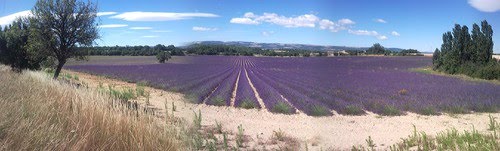


We are also visiting our small family distillers as well as the great names who deal in thousands of tonnes of lavendin but supply also oils suitable for aromatherapy though it cannot be economic for them. Some of those smaller family distillers are in the area around Mount Ventoux which is the most charming area. Mountains and a patchwork quilt of blue lavender and green harvested fields. And so it is 'bon courage' and up Mount Ventoux.
Pictured are Mme Magnans famous honey shop in Valensole, a typical provencal market stall with aroma ingredients, the view from the promenade at Sault towards Mt Ventoux to which neither camera nor artist can do justice, aroma crops being distilled,


Lavender facts. French and Bulgarian lavender is the most popular.. Lavender grown and distilled at a higher altitude 600m to 1500m is reputed to be the finest. France dominates lavender production with 100,000 tonnes per annum compared to the UK's 50 tonnes. Three quarters of that produced is Lavendin which has a high yield and is easily harvested. Then comes the Mailette clone which is commonly described as Lavender Fine, Lavender vera or angustifolia. Both have a full floral fragrance while the angustifolia favoured by aromatherapists tends to have less aroma. In practice farmers tend to propogate their angustifolia from the plants most resistent to disease, drought and flood so most true lavender production tends to be a mixture of angustifolias.
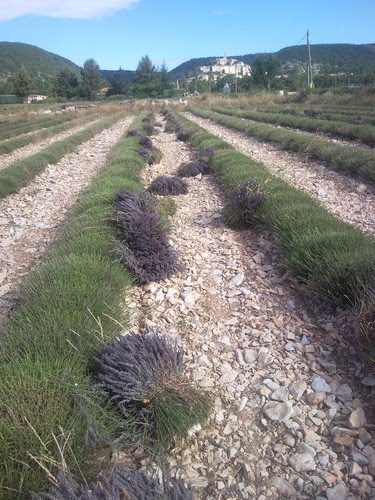
Lavender Vera harvesed at Banon.
Sadly adulteration of Lavender is a hazard. In order to comply with the standards of the fragrance trade synthetic linalool is added. One complaint of the growers in upland areas is that the excellent lavender they produce which is high in esters do not comply with agricultural standards! Lavendin is also added to Lavender fine and most Lavender Fine Angustifolia is from Lavender Mailette clone rather than P.Miller. Always read the label and ask for certification. If it is not forthcoming move on. Ref Battaglia The Complete Guide to Aromatherapy p 217.

True Lavender and Lavendin
Reliable campsites can be found in the Mitchelin guide
Gites and Chambres d'hotel are available at reasonable cost
There is an excellent peage system of motorways on which you can travel at a mile a minute.
Lyons, Avignon airports. The TGV.

For those with limited time here are some edited highlights of La Drome Aroma Tour this year.
Ferry Portsmouth - Le Harve
Night 1, Haute Normandie Campsite La Foret, Norman dinner overlooking the Seine
Night 2 Beaune, Sauvigny Campsite, explore the Cote d'or

Night 4 Banon Epi Bleu campsite to explore Banon, Sault, MontBrun les Bains, Mt Ventoux
Night 5 Riez to explore the Valensole plateau in Provence
Monday, 12 July 2010
Gold of pleasure - Camelina sativa oil

Camelina is a flowering plant in the family Brassicaceae which includes mustard, cabbage, rapeseed, broccoli, cauliflower, kale, brussels sprouts
Over 50% of the fatty acids in cold pressed Camelina oil are polyunsaturated. The major components are alpha-linolenic acid - C18:3 (omega-3-fatty acid, approx 35-45%) and linoleic acid - C18:2 (omega-6 fatty acid, approx 15-20%). The oil is also very rich in natural antioxidants, such as tocopherols, making this highly stable oil very resistant to oxidation and rancidity.
It has 1 - 3% erucic acid. The vitamin E content of camelina oil is approximately 110 mg/100g. It is well suited for use as a cooking oil. It has an almond-like flavor and aroma.
Essentia
Friday, 9 July 2010
The science behind the virtues of Jasmine

Sedatives, sleeping pills can also cause serious side effects such as depression, dizziness, hypotension, muscle weakness and impaired coordination.
So German scientists have been investigating the calming effects of various fragrancies that could be used in place of these drugs. They have now found that a chemical called Vertacetal-coeur (VC) and another variation of it derived from the jasmine plant act in the same way as these sedatives and that even just breathing in the scents can be enough to activate their effects.
How sedatives work
Sedatives such as valium act on particular sites in the brain, increasing the effects of the brain's own neurotransmitter called GABA. In fact the sedatives can even act in the same way as GABA in high enough doses. This GABA is an inhibitor - it serves to reduce brain function, thus leading to calmness, drowsiness and sleep.
Testing the fragrance
The jasmine extracts were administered to mice, both as injections and by inhalation. In both cases the mice responded by becoming calm, ceasing activity and sitting quietly in the corner. Mice that had been genetically modified such that their brain receptors no longer respond to sedatives were not affected by the chemicals, showing that the action of the jasmine extract is the same as other sedatives.
Commenting on the results, study leader Hanns Hatt said: "We have discovered a new class of GABA receptor modulator which can be administered through the air - applications in sedation, anxiety, excitement and aggression relieving treatment and sleep induction therapy are all imaginable."
The Journal of Biological Chemistry publishes papers based on original research that are judged to make a novel and important contribution to understanding the molecular and cellular basis of biological processes.
Find out more of the science behind aromatherapy
Tips for sleep besides aromatherapy
Bedrooms should be used only for sleeping and intimacy – not working,using a computor, eating, or watching television. Your brain needs to associate your bedroom with sleep.
You should aim to make your bedroom a dark, quiet and peaceful environment in which to rest after a hard day’s work. To do this:
Make sure you have a bed which is comfortable. Mattresses are supposed to be changed every 10 years. Fresh sheets and pillow cases may also help
If the morning sun is causing you problems, wear an eye mask
If your partner snores dont get mad, just buy some soft ear plugs
Essentia
Thursday, 8 July 2010
Daily facial care - oral hygiene

Indian medicine (Ayurveda) has used the neem tree and its products to create teeth cleaning twigs and similar products for millennia. A person chews one end of the neem twig until it somewhat resembles the bristles of a toothbrush, and then uses it to brush the teeth. In the Muslim world, the miswak, or siwak, made from a twig or root with antiseptic properties has been widely used since the Islamic Golden Age
Find out more
The neglect of teeth in Western culture not only causes expensive trips to the dentist seriously neglected gums and tongues cause serious health problems.
What the study said
Tuesday, 6 July 2010
The Queens Speech
Queen Elizabeth II challenged the United Nations on Tuesday to spearhead the international response to global dangers and promote prosperity and dignity for all the world's inhabitants.
"In my lifetime, the United Nations has moved from being a high-minded aspiration to being a real force for common good," the 84-year-old British monarch told diplomats from the 192 U.N. member states."That of itself has been a signal achievement. But we are not here to reminisce. In tomorrow's world, we must all work together as hard as ever if we are truly to be United Nations."
Speaking as queen of 16 U.N. member states and head of the Commonwealth of 54 countries with a population of nearly 2 billion people, Elizabeth recalled the dramatic changes in the world since she last visited the United Nations in 1957, especially in science, technology and social attitudes.
But she also praised the U.N.'s aims and values which have endured _ promoting peace, security and justice, fighting hunger, poverty and disease and protecting the rights and liberties of every citizen.
"For over six decades the United Nations has helped to shape the international response to global dangers," the queen said."The challenge now is to continue to show this clear ... leadership while not losing sight of your ongoing work to secure the security, prosperity and dignity of our fellow human beings."
Elizabeth and her husband, Prince Philip, flew to New York from Canada for a five-hour visit that will also include stops at the ground zero site where the twin World Trade Center towers were destroyed in terrorist attacks on Sept. 11, 2001. She will lay a wreath in tribute to the thousands who died, and then officially open the British Memorial Garden honoring the 67 Britons who lost their lives that day.
Dressed in a two-piece white, blue and beige print dress with a ruffled hem and a matching brimmed champagne-colored silk hat with flowers, the queen was greeted on her arrival by U.N. Secretary-General Ban Ki-moon and General Assembly President Ali Abdessalam Treki and their wives.
After posing for photos in front of U.N. flags, she went to the memorial to UN peacekeepers and staff members killed in the line of duty and laid a wreath before the tattered UN flag that flew over U.N. headquarters in Baghdad on Aug. 19, 2003 when the building was bombed, killing top U.N. envoy Sergio Vieira de Mello and 21 others.
The queen then walked slowly into the two-thirds full chamber, as past diplomats gave her a standing ovation. Before her speech she sat in a beige leather chair where she spent a half-minute fishing her reading glasses out of her black handbag, resealing the clasp and laying her speech out on her lap, tasks made harder because of her white gloves.
She looked up to occasionally peer out at the crowd, where the visitor and press upper galleries were full, scanning left and right and then looking intently straight forward. Her hands lay quietly on her speech.
Treki welcomed the queen, noting that when she last spoke to the United Nations"the world was rebuilding from a devastating world war, Cold War tensions and nuclear annihilation threatened the existence of all humanity ... and women were expected to stay at home."
While the queen had witnessed"the birth of a multitude of independent nation-states based on the principles of equal rights," he said, the world is still"blighted by extreme levels of inequality, with billions living in extreme poverty."
Treki praised the queen for lifting the spirits and comforting victims of terrorism and natural disasters.
The secretary-general called Elizabeth"a living symbol of grace, constancy, and dignity."
"In a changing and churning world, your are an anchor for our age," he said."Your reign spans the decades. From the challenges of the Cold War to the threat of global warming. From the Beatles to Beckham. From television to Twitter."
Ban recalled that 53 years ago the queen told the General Assembly that the future would be shaped"by the strength of our devotion" to the U.N. ideals of peace, justice and prosperity.
With Elizabeth at the helm, he said, Britain and the Commonwealth"have contributed immensely to the United Nations," noting that the four largest providers of U.N. peacekeeping troops are Commonwealth nations.
The queen recalled that when she came to the United Nations in 1957, there were just three U.N. operations oversease.
"Now, over 120,000 men and women are deployed in 26 missions across the world," she said."You have helped to reduce conflict, you have offered humanitarian assistance to millions of people affected by natural disasters and other emergencies, and you have been deeply committed to tackling the effects of poverty in many parts of the world."
At the end of the short speech, she was loudly applauded. She then met separately with Treki, Ban, Security Council ambassadors and Commonwealth ambassadors.
"Everyone was very impressed," Russia's deputy U.N. ambassador Konstantin Dolgov told AP."She's a big part of the United Nations, very important."
Why am I seeing this on the Shirley Price blog?
Well I think this will need a separate blog.
Those who seek just to make a name for themselves by terror in all its forms should hang their heads in shame compared to those who have sought to create one world by peaceful means. Let them renounce violence now and embrace the arts of peace.
Essentia
Subscribe to:
Posts (Atom)